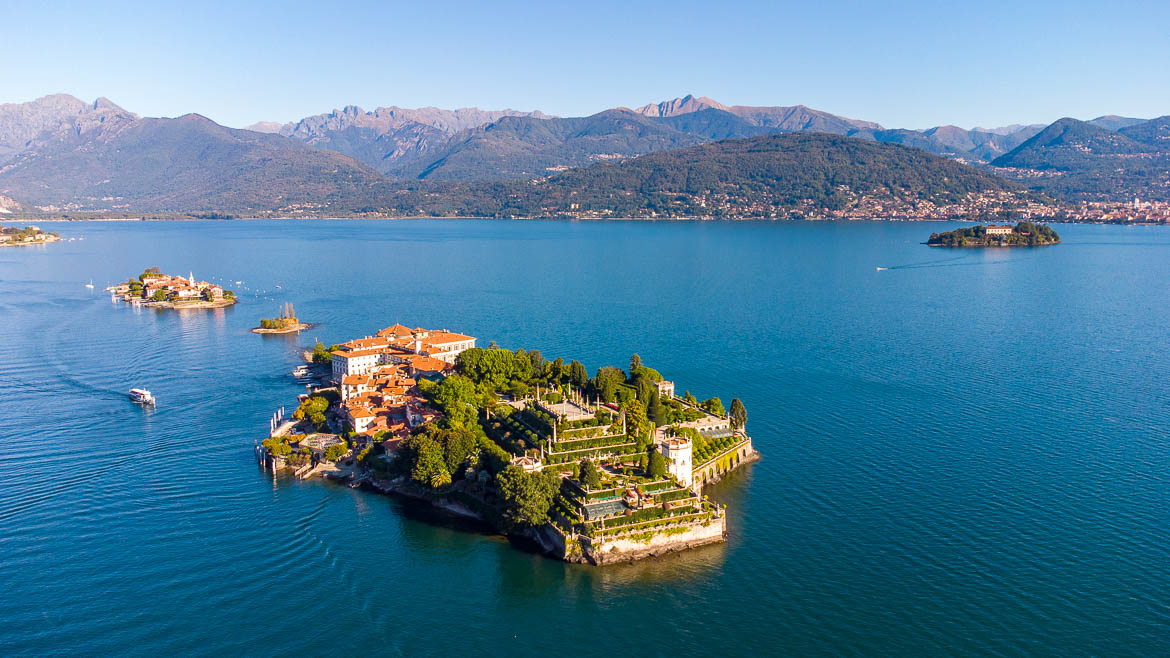
Lake Maggiore is the second-largest lake in Italy. It lies between the regions of Piedmont and Lombardy. We had the opportunity to visit Lake Maggiore during a road trip in Northern Italy after a one-day stop at Lake Orta. Lake Maggiore is lined with charming villages, but it is mainly the Borromean Islands, located just offshore from Stresa, that attract visitors. The three islands (Isola Bella, Isola Madre, and Isola dei Pescatori), a blend of lush gardens and Baroque architecture, are among the must-see sights. As the region is quite large, plan at least two days to visit Lake Maggiore.
What is the best things to do in Lake Maggiore ? How do you visit the Borromean Islands ? Which villages should not be missed ? Where to stay in Lake Maggiore ? I share all the tips following our stay on site in September. And to go further, you can also visit Lake Como and Lake Garda.
What to do and see in Lake Maggiore
Lake Maggiore covers an area of 212 km² and stretches over 65 km, part of which lies in Switzerland in the canton of Ticino. Although it is possible to get around the lake by boat using the public transport line, the most practical way to visit Lake Maggiore is by car. Especially if you want to go as far as Cannobio, our favorite village near the Swiss border.
Among the things to do in Lake Maggiore, the Borromean Islands are one of the must-see highlights. The palaces and gardens of Isola Bella and Isola Madre alone justify a stay on Lake Maggiore. The town of Stresa is one of the best bases for visiting Lake Maggiore thanks to its geographical position close to the Borromean Islands and its many accommodations and restaurants. The prettiest villages are found on the Piedmont side ; on the Lombardy side, only the Santa Caterina del Sasso Hermitage and the Rocca di Angera castle are really worth a visit. The map below will help you see where the main attractions are located.

Map what to do in Lake Maggiore
Stresa
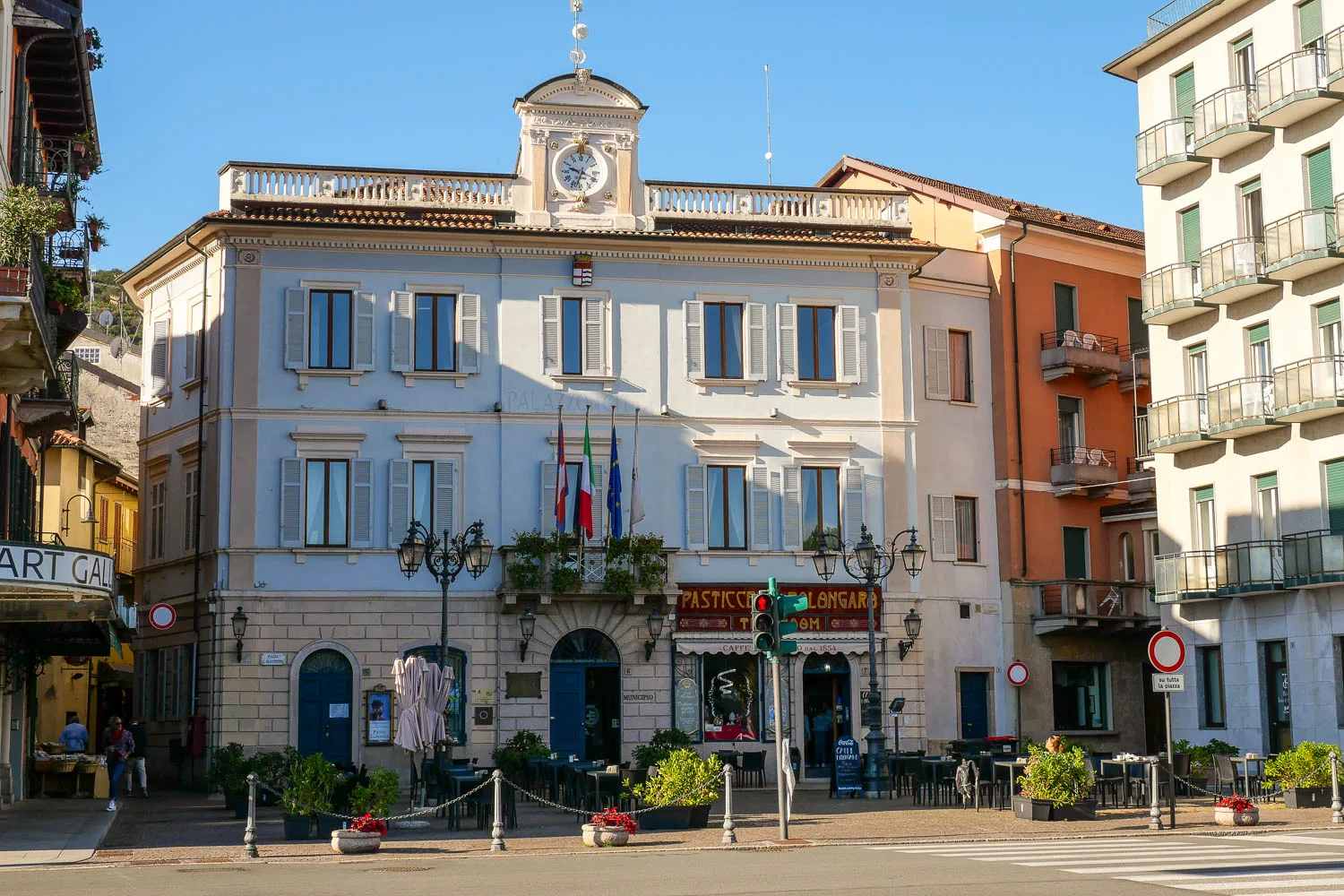
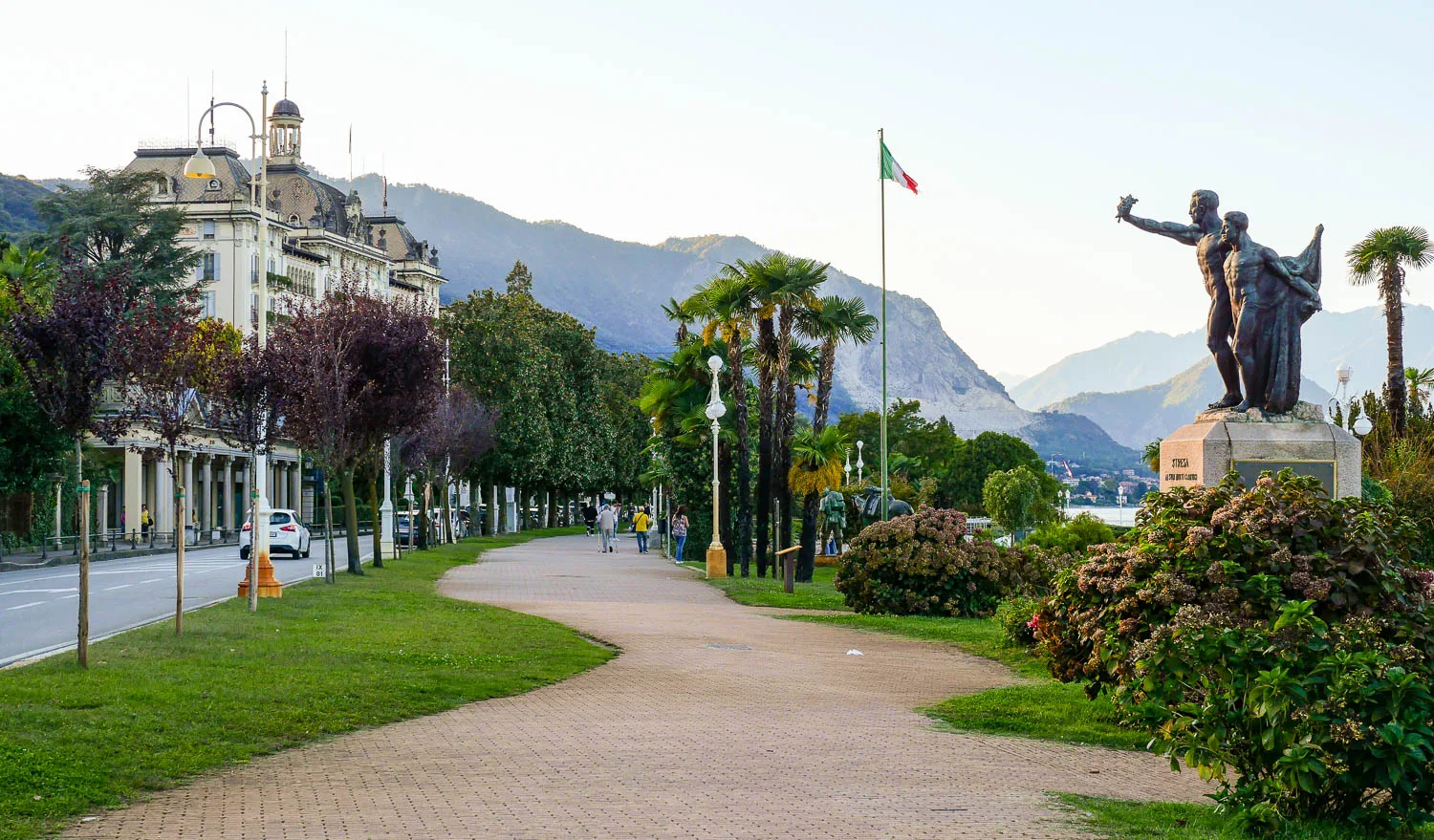
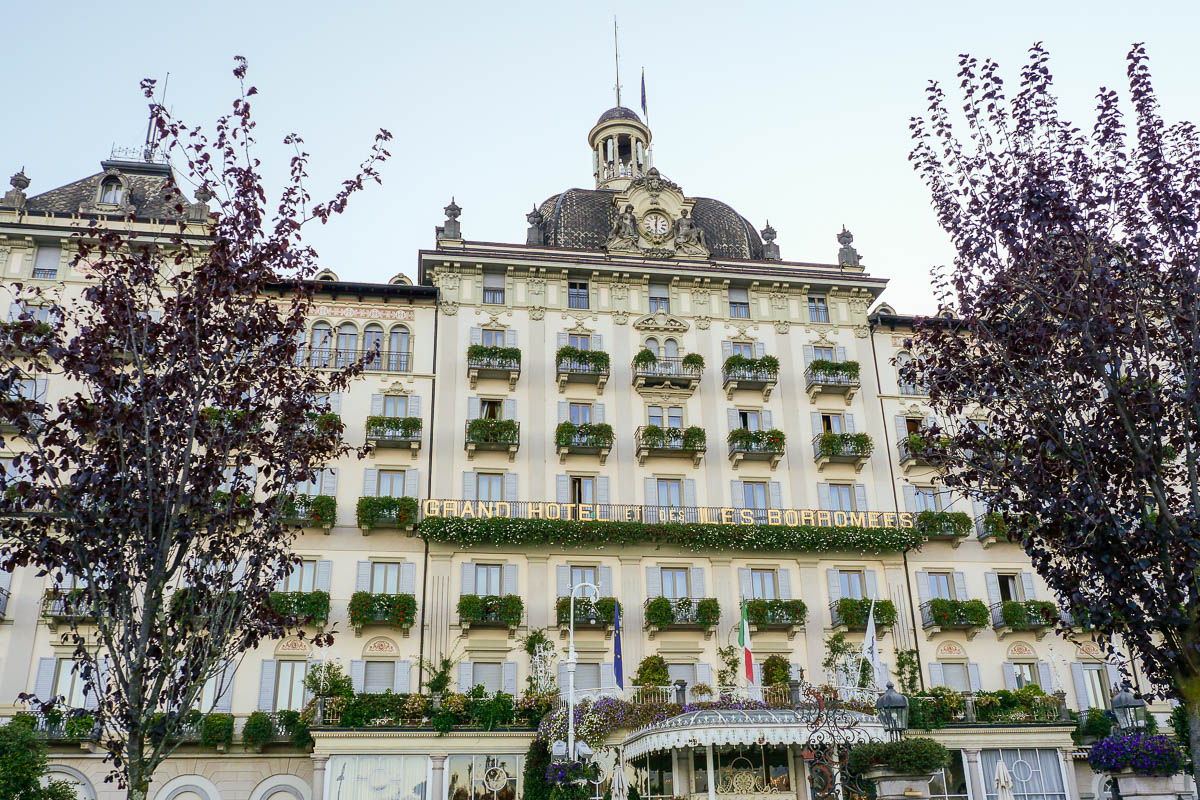
This is the most touristy town on Lake Maggiore and the best base for visiting the Borromean Islands located just opposite. It is precisely the proximity of the islands and its mild climate that transformed the medieval village of Stresa into an important tourist resort in the 19th century. From that era remain elegant villas and luxury hotels typical of Art Nouveau, including the Grand Hotel des Iles Borromées (built in 1861) and the Regina Palace.
Aside from these villas and hotels along the shores of Lake Maggiore, the old town of Stresa did not particularly charm me. We had just visited Orta San Giulio on Lake Orta, and I expected a similar atmosphere. The historic center of Stresa is more conventional and largely occupied by tourist shops and restaurants.
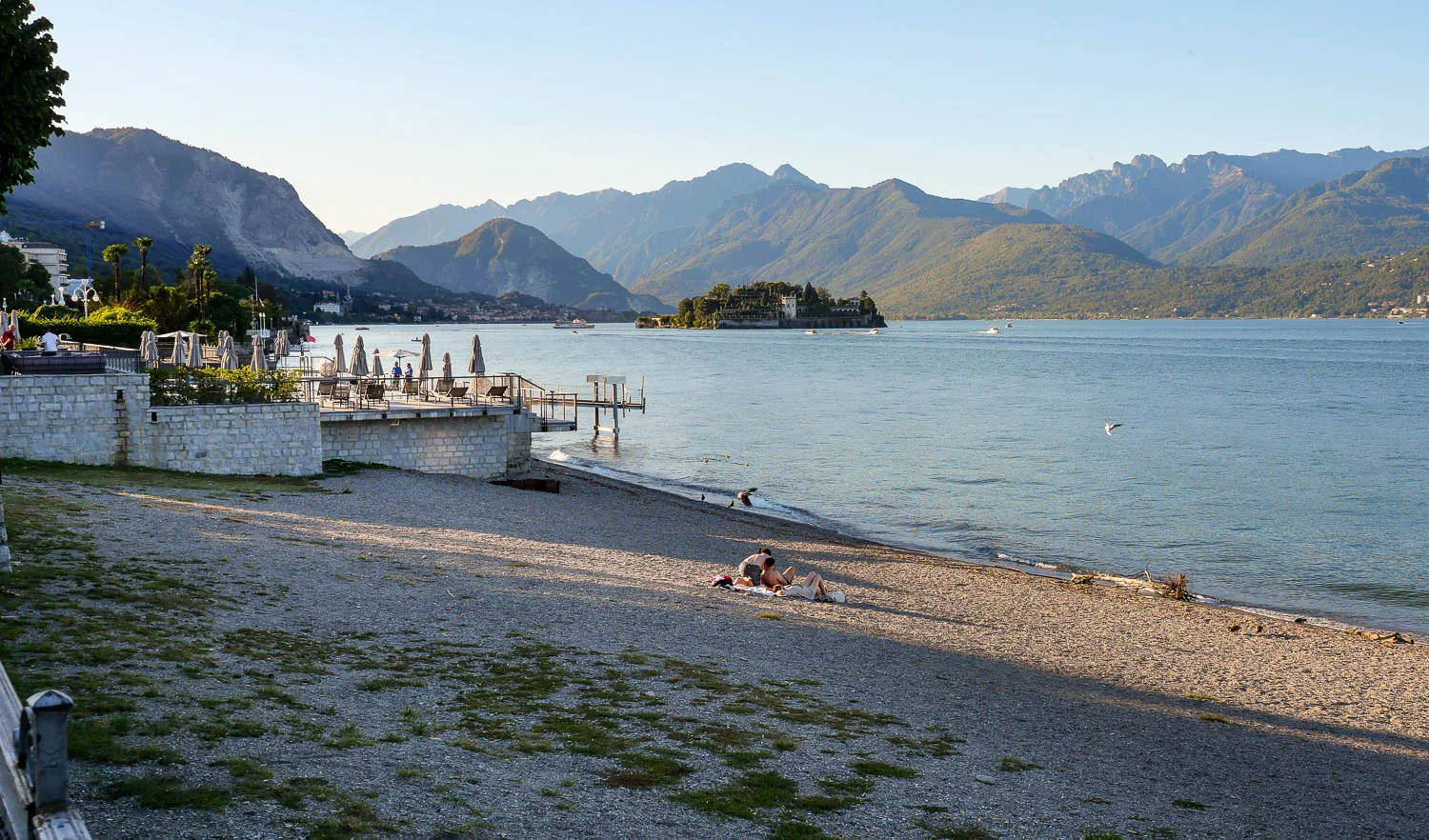
The passeggiata panoramica (panoramic promenade) that runs along the lake from the old town to the 19th-century luxury hotels is still pleasant and offers beautiful views over the lake and the Borromean Islands. There are also several private and public beaches for those who want to swim in summer (the water is around 23°C at that time).



Visiting the Borromean Islands
Discovering the Isole Borromee (their Italian name) is certainly on of the best things to do in Lake Maggiore. These islands, home to luxurious palaces and magnificent Italian-style gardens, are among the most famous sites of the Italian lakes. If you only have one day to explore the region, make this your top priority.
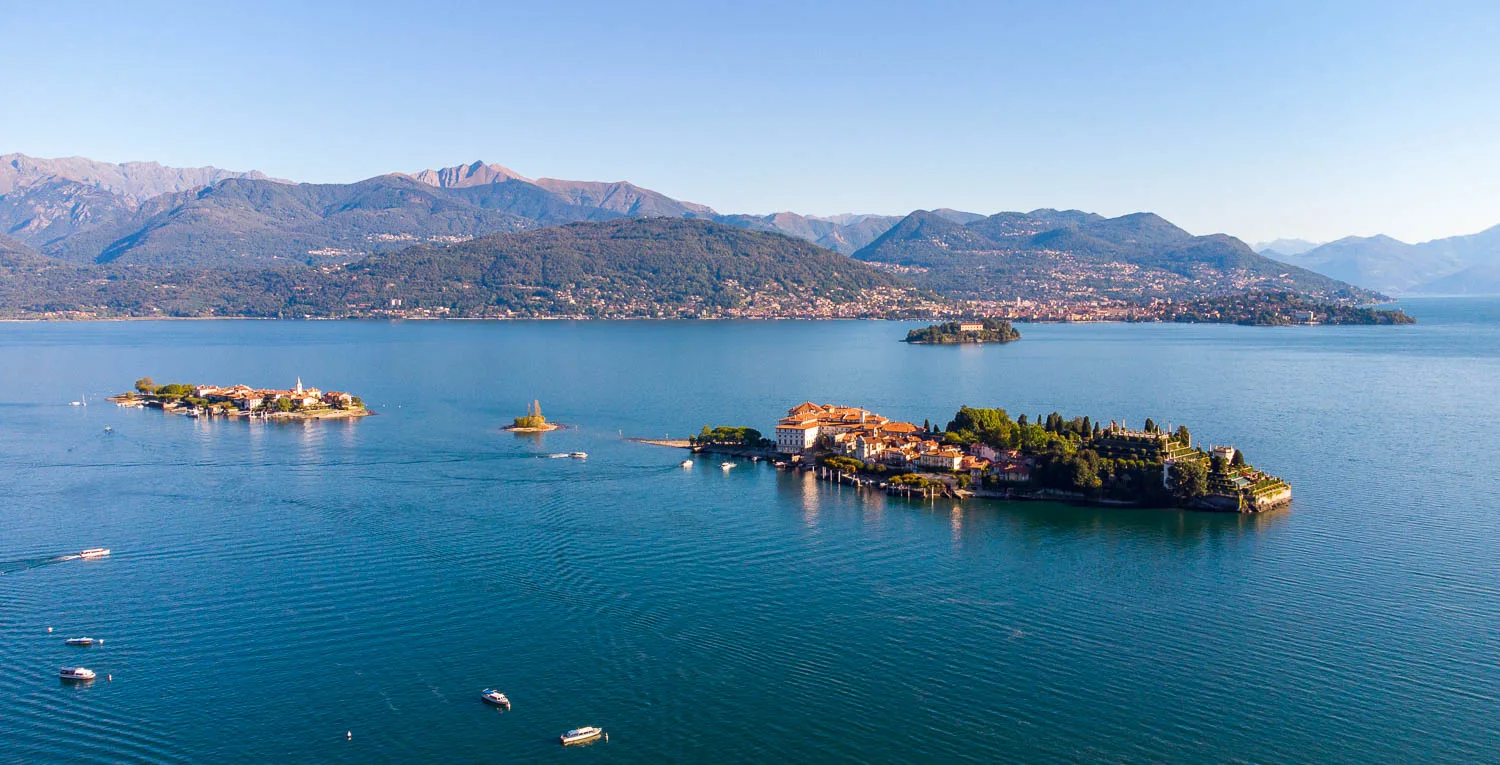
Historically, the islands take their name from the Borromeo family, a Lombard family originally from Tuscany that bought Isola Madre and Isola Bella in the 15th century (and still owns them today). There are five Borromean Islands in total, but only three are open to visitors : Isola Madre, Isola Bella, and Isola dei Pescatori (also called Isola Superiore). The first two house a palace and gardens, while the Fishermen’s Island (Isola dei Pescatori) is a village with many restaurants. This island is mainly a stop for lunch.
Opening hours and prices
The palaces and gardens of Isola Madre and Isola Bella are open every day from 10 a.m. to 5 p.m. from March 15 to November 2 (last admission at 4 p.m. in October). From November 3 to March 14, the palaces and gardens are closed. The combined ticket for both islands costs €36 (€21 for ages 6-15). You can find all this information on the official website.
In total, we spent 5 hours visiting the Borromean Islands from Stresa. We took our time at each stop without ever feeling rushed. Allow about 2 hours in Isola Madre and Isola Bella, and 1 hour for lunch in Isola dei Pescatori.
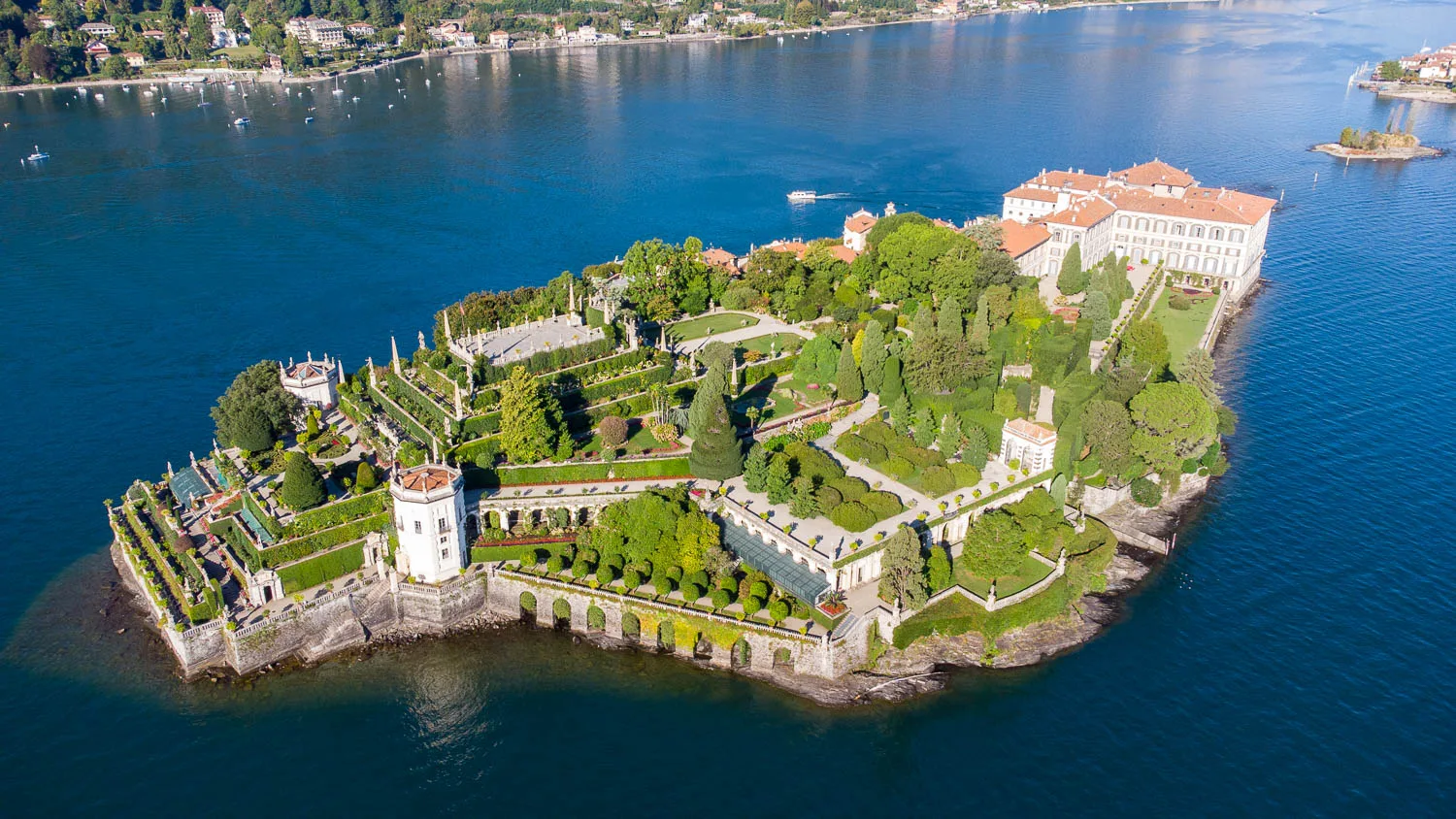
Drone use is prohibited in Isola Bella and Isola Madre (signs indicate this). These are private properties. If you want to take aerial photos as I did, you can take off from the cable car parking lot north of Stresa. The cable car has been closed since the 2021 accident, making it a quiet spot directly opposite Isola Bella.
How to get to the Borromean Islands ?
It goes without saying that you need to take a boat to visit the Borromean Islands on Lake Maggiore. There is a regular public transport service from April to October (April 13 to October 5 in 2025) departing from Verbania, Baveno, Carciano, and Stresa. You will find timetables and information on the official ferry website. During the low season between October and March, there are far fewer boats, but it is still possible to reach Isola Bella and Isola dei Pescatori (not Isola Madre).
Here, I will focus on departures from Stresa, as this is the route most tourists use and the one we took during our stay in Lake Maggiore.
You have two ways to get to the Borromean Islands from Stresa :
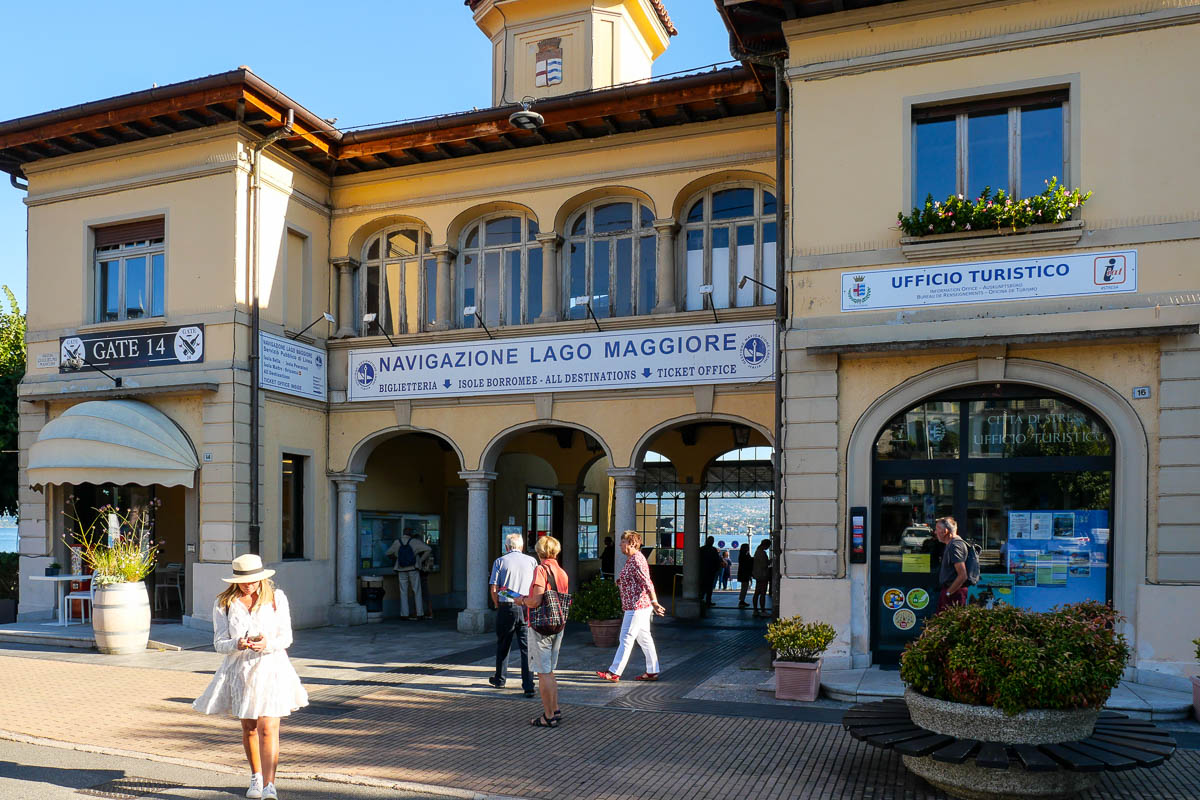
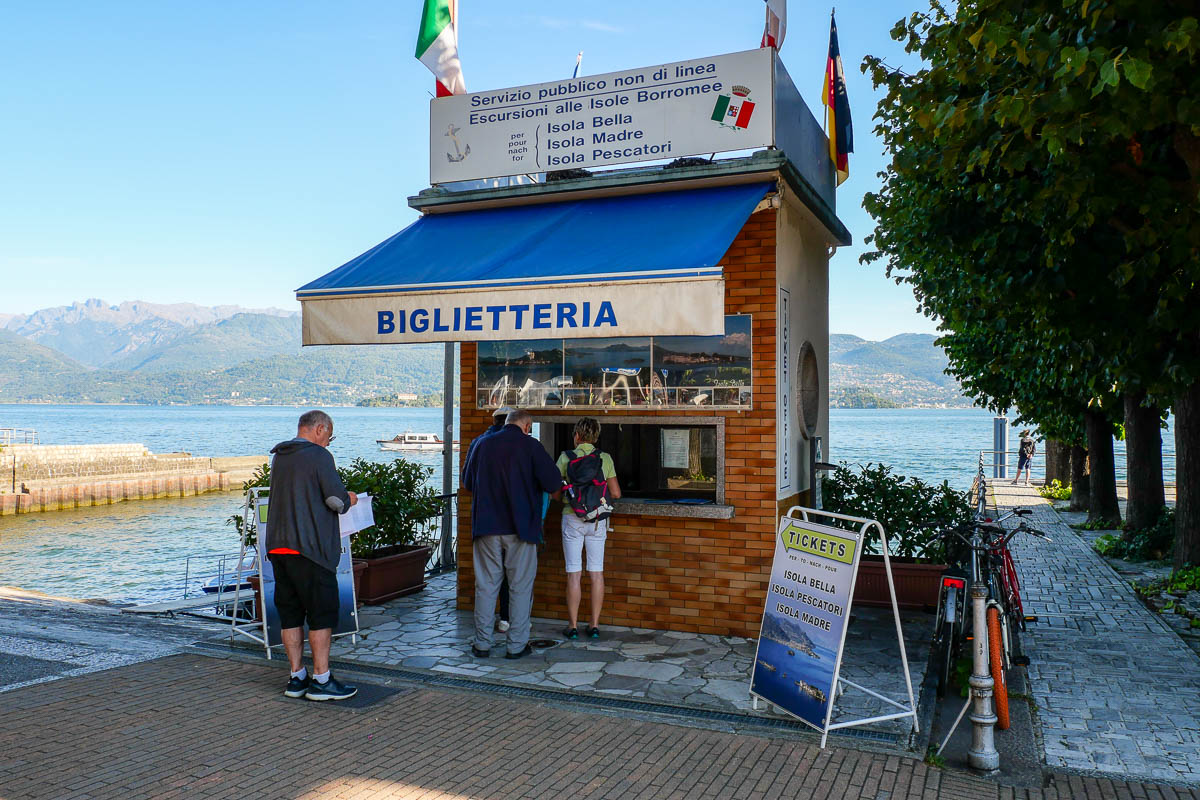
Use the public transport shuttle, with schedules available on the official website mentioned above. The first boat departs at 7 a.m., and the last returns to Stresa at 7 p.m. Boats run every 30 minutes to 1 hour. There is a ticket called Libera Circolazione that allows you to visit the three islands in the following order : Isola Bella, Isola dei Pescatori, then Isola Madre. This ticket costs €16.90 (€8.50 for children and €13.60 for those over 65). It must be purchased directly at the dock building marked “Navigazione Lago Maggiore.”
Take a private company, which offers the same three-island tour but in a different order : Isola Madre, Isola dei Pescatori, and Isola Bella. The kiosk is located to the left of the official ticket office (Biglietteria), and the sellers are dressed as sailors. They are very convincing ; even Daniela who is Italian thought it was the public ferry. At first it felt a bit like a scam, but it turned out to be the best option to visit the Borromean Islands.
The ticket costs €15 per person (cheaper than the public shuttle), and departures and arrivals at each island take place every hour. If you want to stay longer on one island, simply take the next boat. I provide the schedules for each island below.
To avoid queues in high season, you can book your Borromean Islands ticket (free cancellation up to 24 hours before). The price is the same as on site, so I recommend booking as soon as you know your travel dates. The landing tax mentioned on the website does not exist. Departures from Stresa are hourly; we took the 10 a.m. boat (the palaces and gardens do not open earlier).
Public and private ferries do not use the same docks for boarding and disembarking (the size and speed of the boats are also different). Take note of the dock where you disembark, it is always the same one used for the return.
Isola Madre
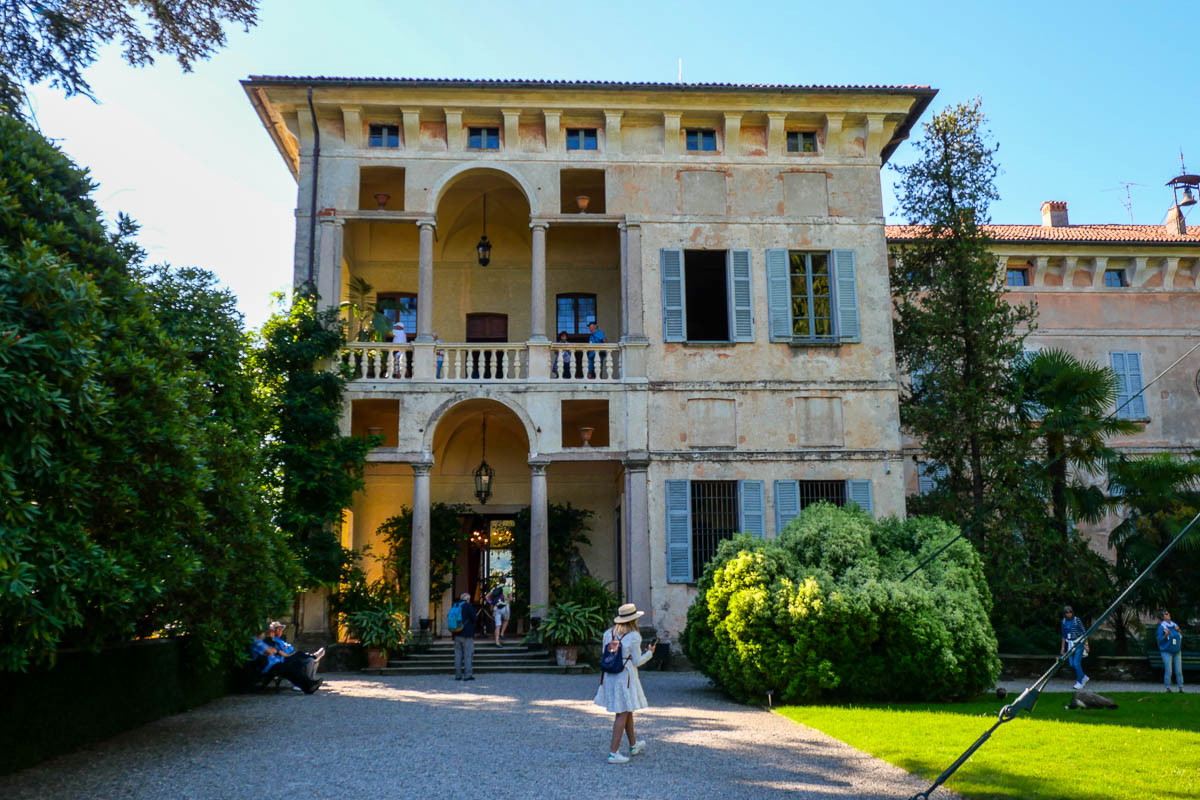
The first stop of the day in the Borromean Islands is Isola Madre, the largest of the three. The island is entirely occupied by a palace and gardens. If you do not wish to enter, you must wait on the dock for the next boat, as the site is paid (€20). I recommend buying the combined ticket for Isola Madre and Isola Bella (palaces and gardens) at €36, or €21 for ages 6–15. This saves money, as buying the two separately costs €43. A small tip : try to be among the first off the boat, as everyone then lines up at the ticket office.
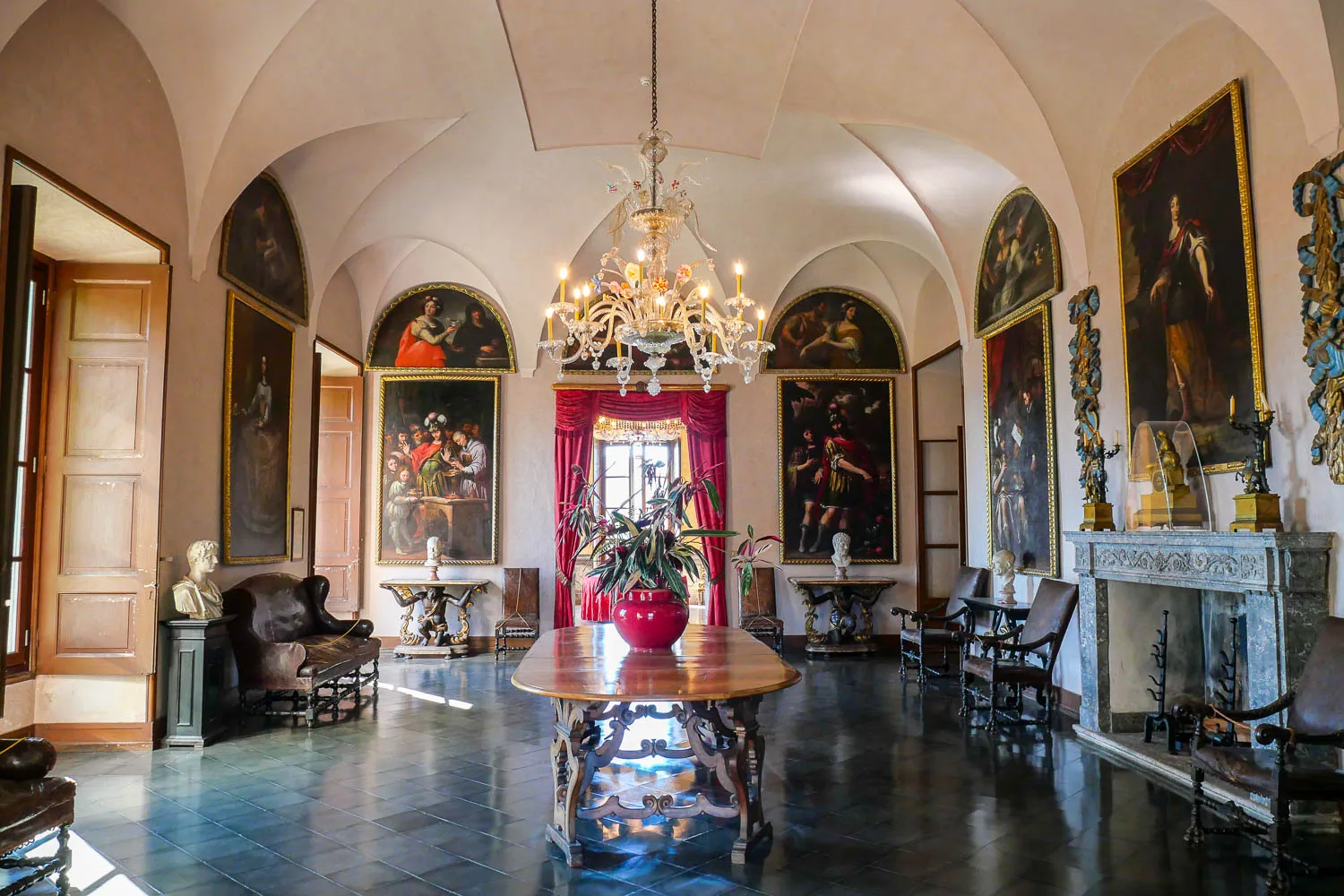
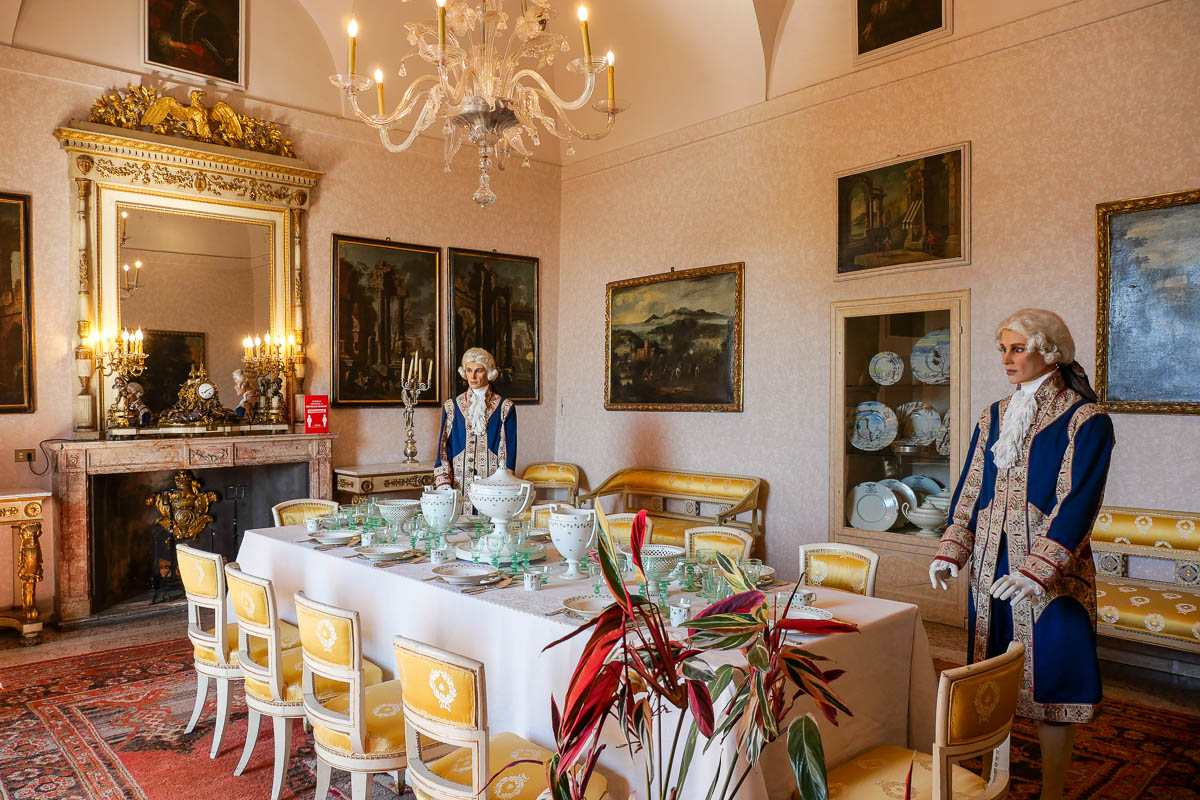
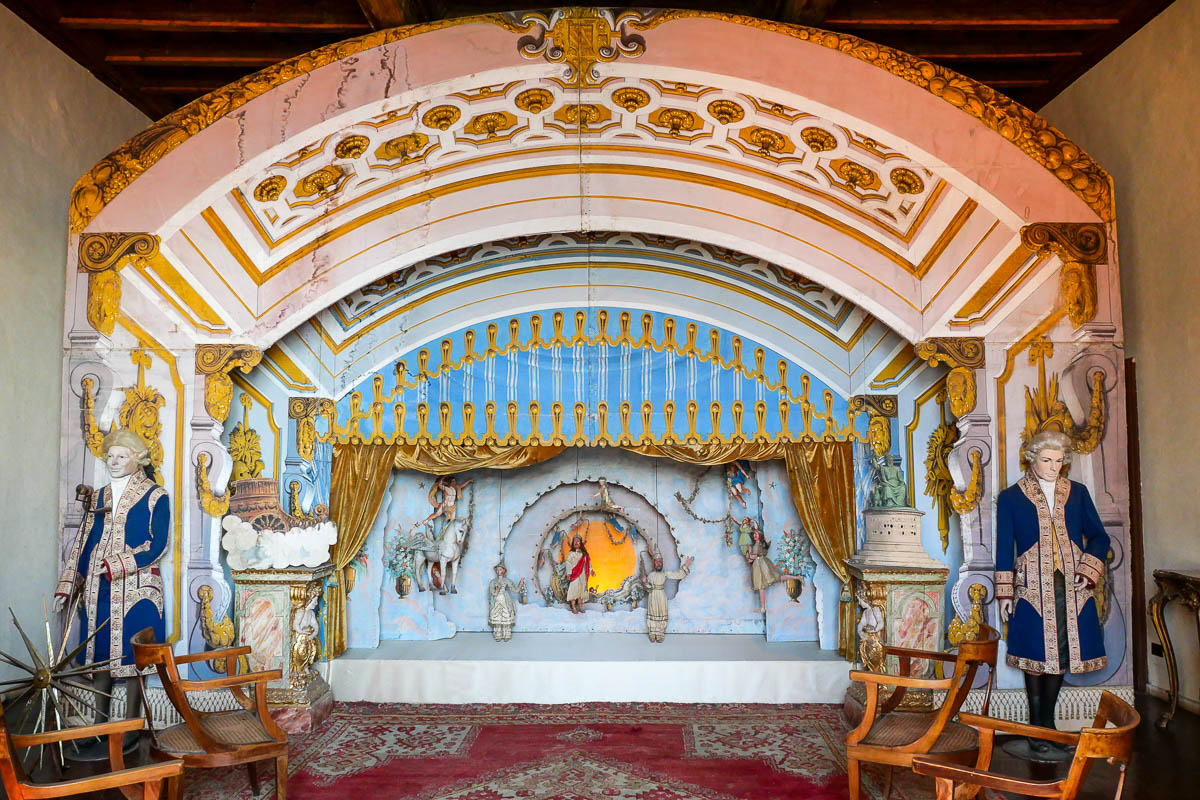
René Borromeo, who purchased the island in 1563, built a Renaissance-style palace and laid out gardens that were transformed over the centuries (their current appearance dates from the 19th century). Inside, you discover artworks and furniture displayed in the many rooms and salons. You can also see a small puppet theater built in the early 19th century by the decorator of La Scala in Milan, complete with special effects (fog, fire, and stage noises). It was the television of its time 🙂
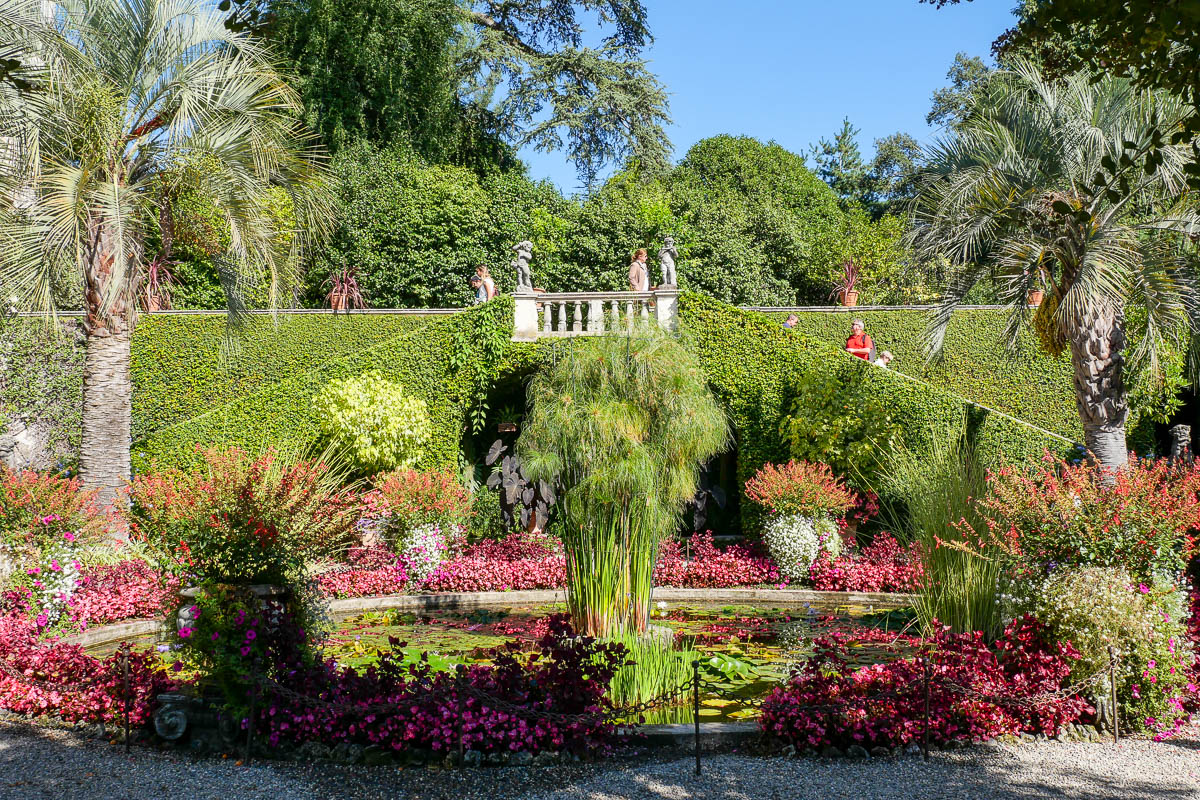
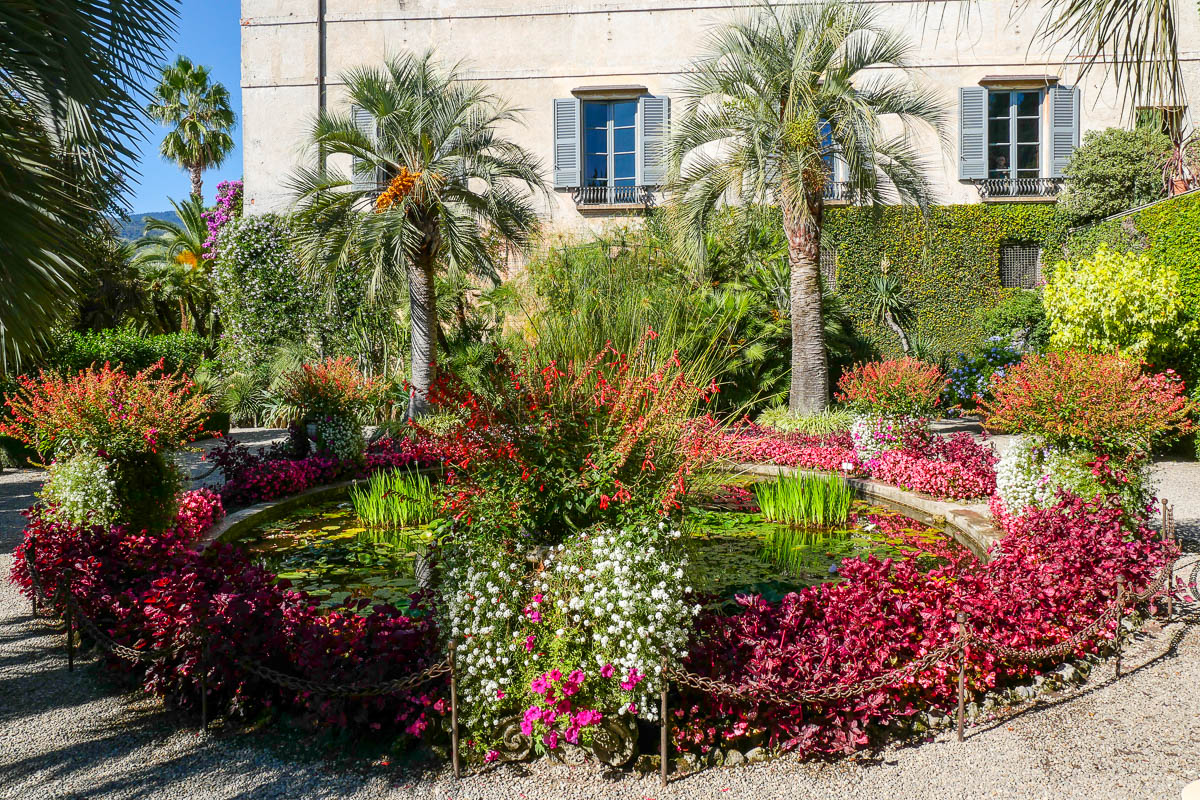
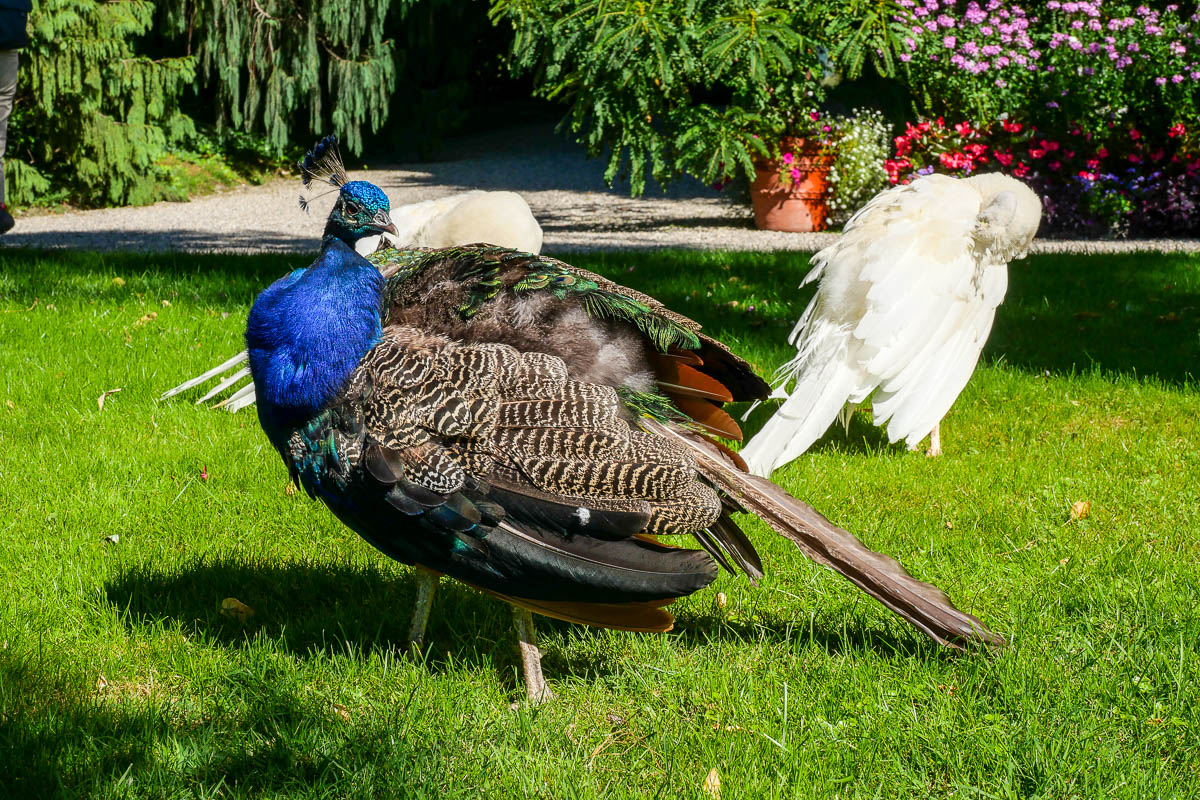
The 8-hectare English-style botanical garden hosts many exotic plants and flowers brought back from distant lands. They adapted well thanks to the mild, sunny climate of Lake Maggiore. We visited in late September, and the flowerbeds were still in full bloom. Silver and golden pheasants, as well as white peacocks, roam freely in the gardens.
The private shuttle (tickets) dropped us off on Isola Madre at 10:15 a.m. (the palace and gardens open at 10 a.m.). The boat to Isola dei Pescatori departs at 10:50 a.m. and then every hour. Allow about 2 hours to visit Isola Madre.
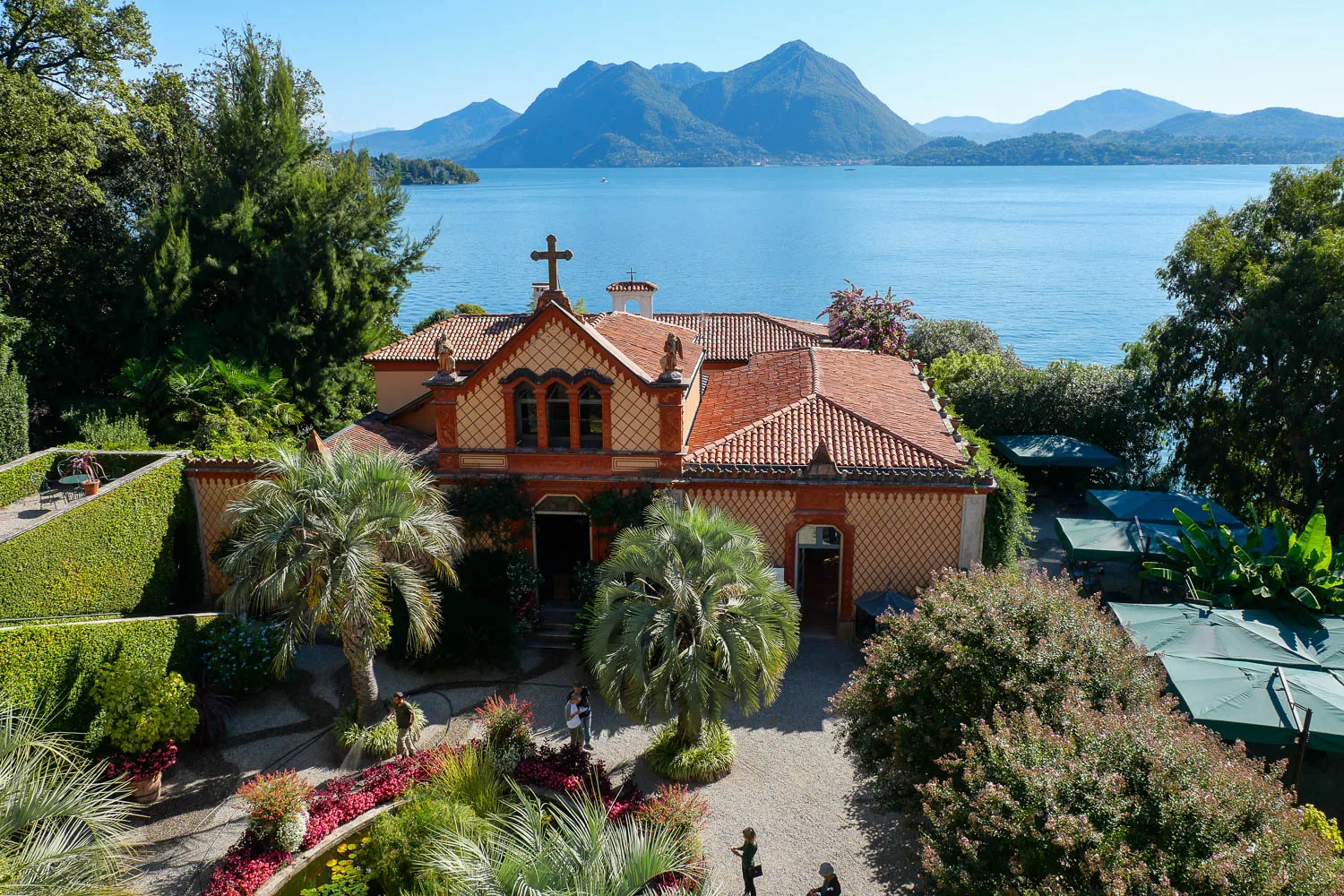
Isola dei Pescatori
Also known as Isola Superiore, Fishermen’s Island is the smallest of the Borromean Islands that can be visited in Lake Maggiore. The village dates back to the 11th century and was once inhabited by fishermen, though most have since abandoned their boats for tourism. Around fifty residents still live on the island, and there are even two hotels open seasonally. The village is nevertheless largely occupied by restaurants, pizzerias, snack bars, and souvenir shops. The only beaches are made of large pebbles, not suitable for swimming.
The island is popular for lunch, which is why it is always the second stop on organized tours. There is something for everyone, from pizza to restaurant meals or sandwiches. We opted for a panino (€5).
Isola dei Pescatori is quick to visit. You can stroll through the narrow streets of the village, where you’ll find the Church of San Vittore. Part of the building dates back to the 9th century and is Romanesque, while the altar section is Lombard in style (14th century). On the northern side, in the fishing port, you can see an old oven once used to dye fishing nets, in operation until the late 1960s when nets were still made from plant fibers.
The private boat dropped us off at noon, and we left again at 1 p.m. for Isola Bella. One hour was more than enough for lunch and a visit.
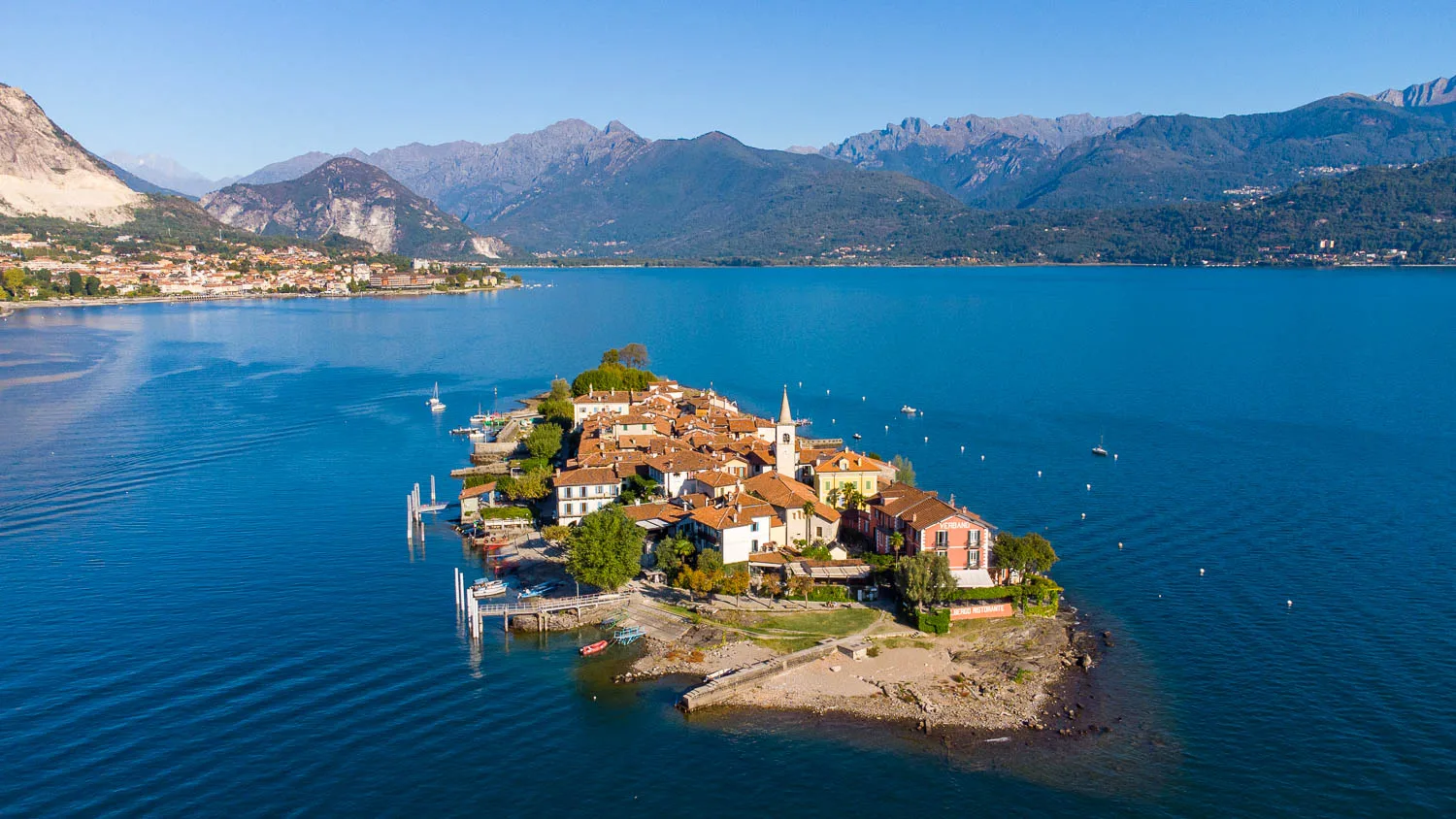
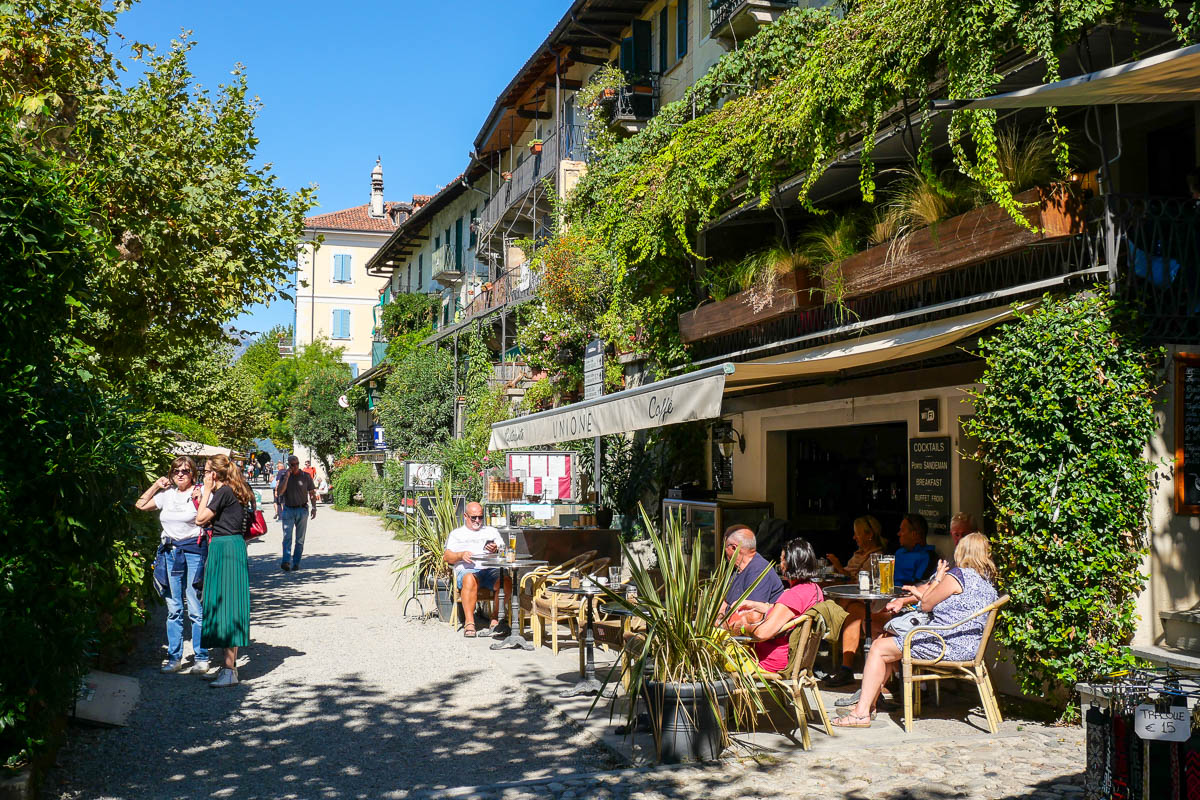
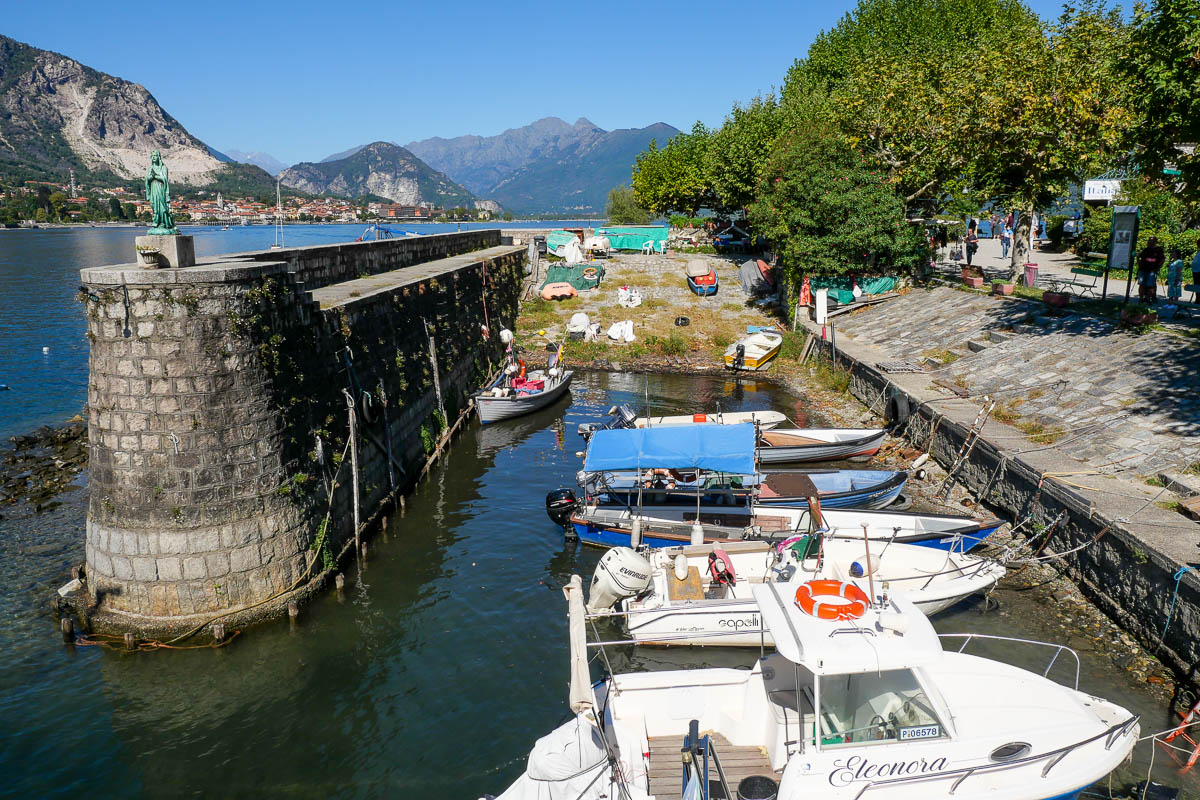

Isola Bella
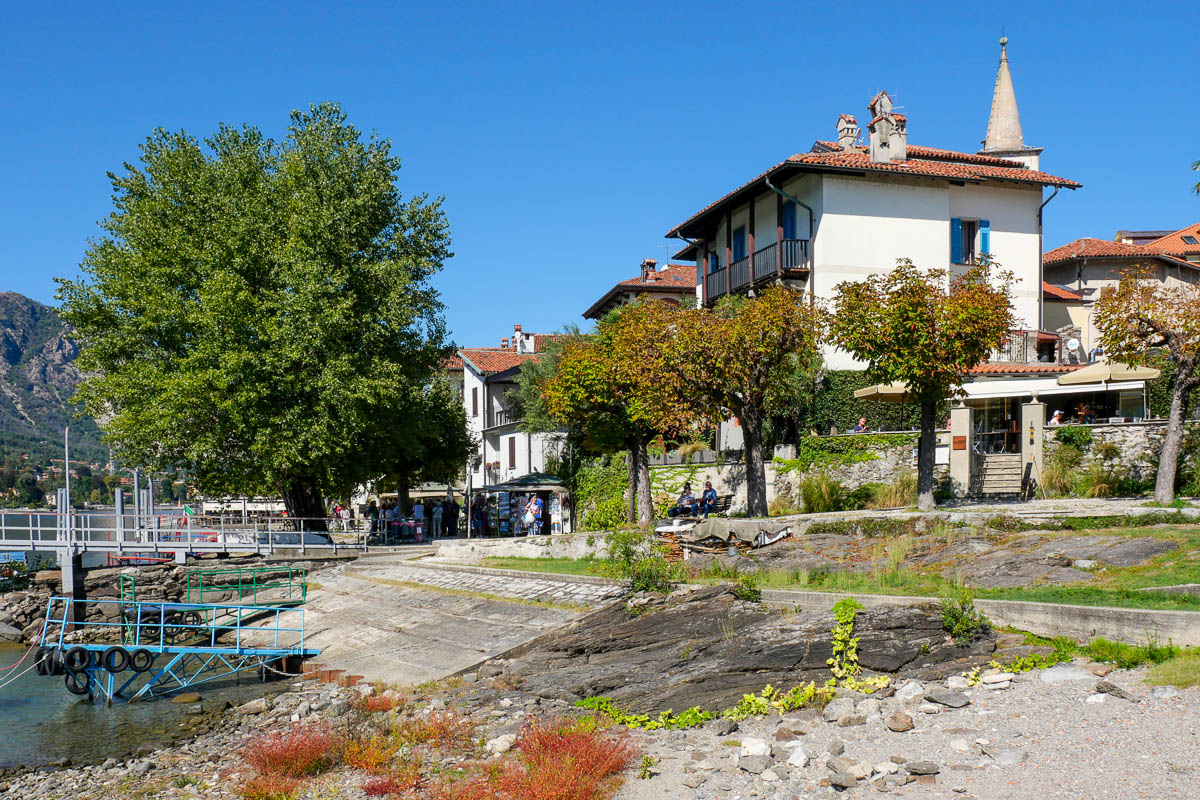
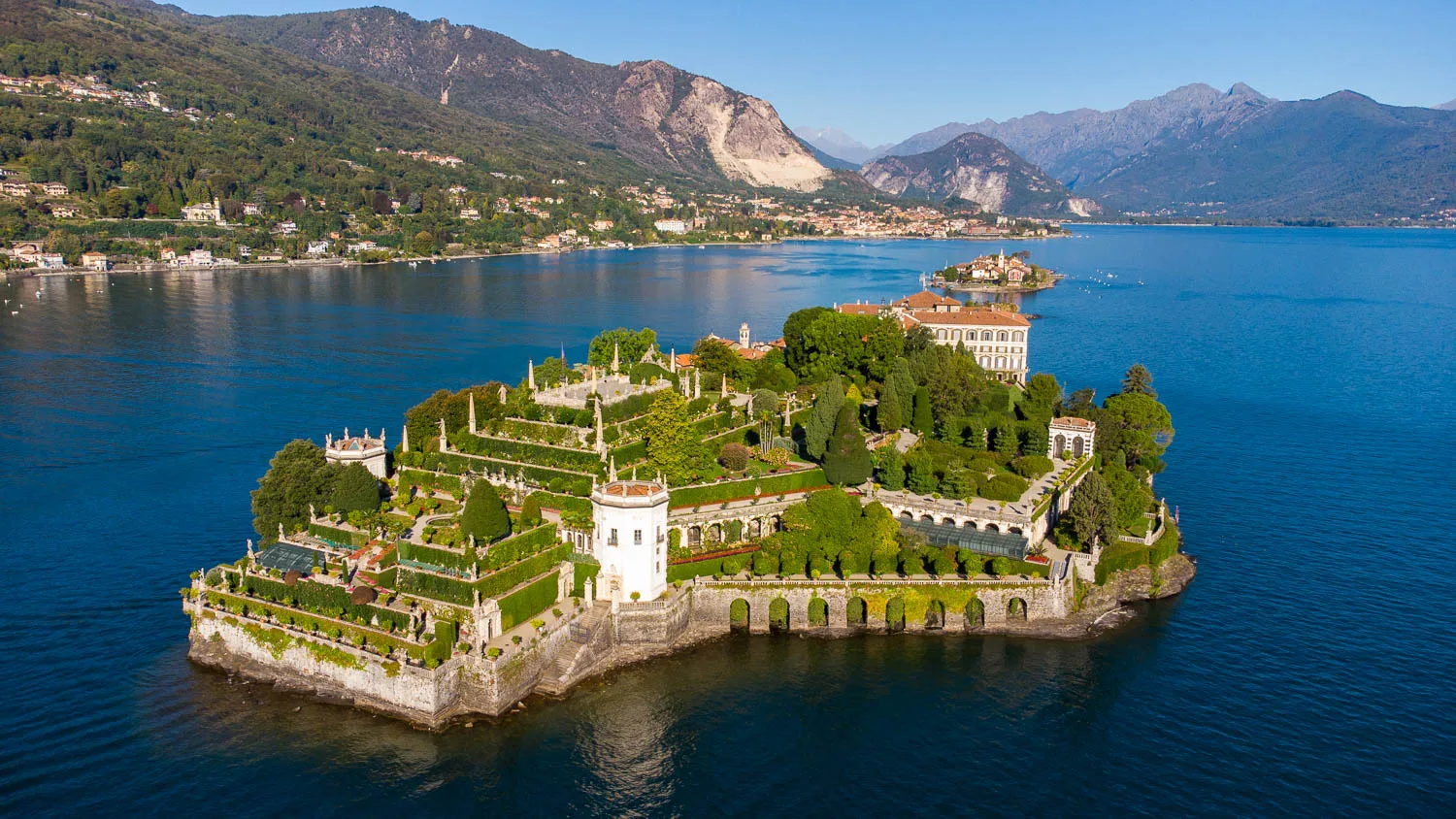
The island lives up to its name, it is the most beautiful of the Borromean Islands (named after Countess Isabella Borromeo). Its Baroque palace and terraced gardens are among the must-see sights in Lake Maggiore. Unlike Isola Madre, it is possible to walk around the island without visiting the palace and gardens. However, aside from entering the church, strolling through the lanes, enjoying a few viewpoints, or having a drink on a terrace, there is little else to do.
When the Borromeo family purchased the island, it was nothing more than a rock with a fishing village. It took 400 years and immense work by architects and engineers to transform it into a Baroque jewel. The visit begins with the palace. If you purchased the combined ticket (€36) on Isola Madre, you can enter directly without queueing. Otherwise, admission to the palace and gardens of Isola Bella alone costs €23.
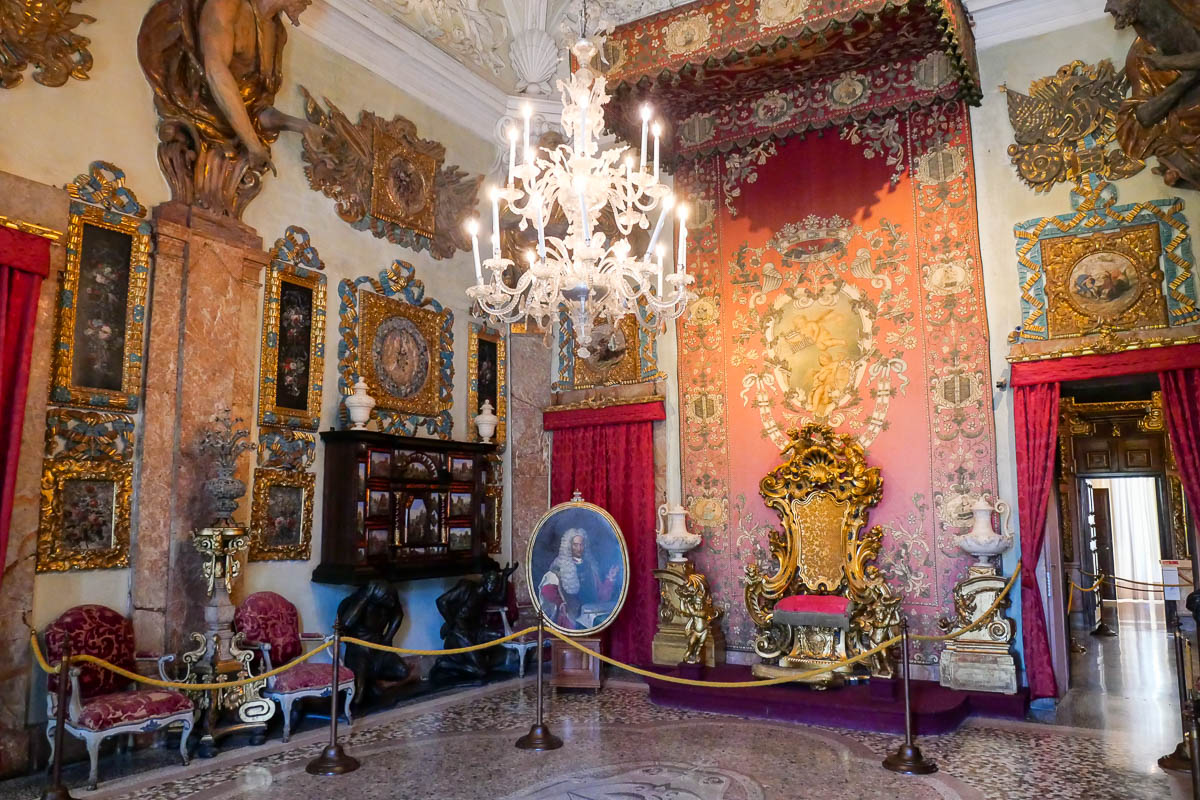
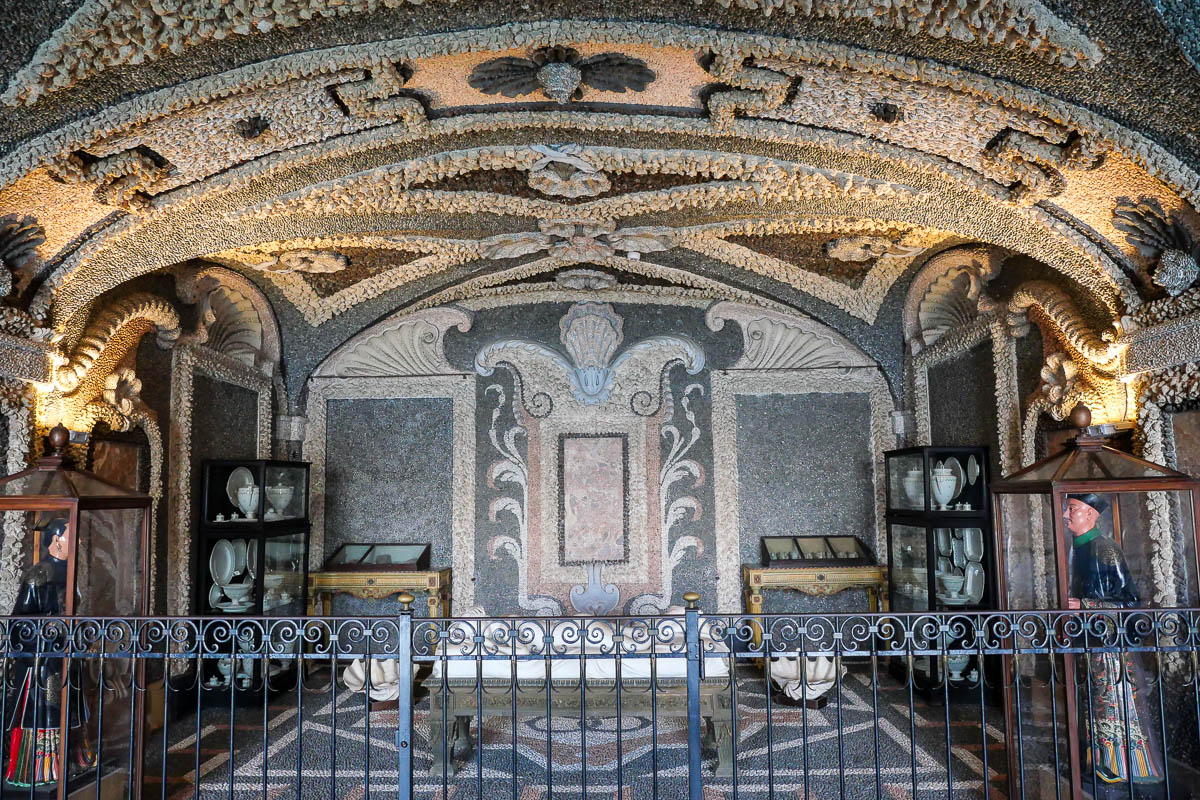
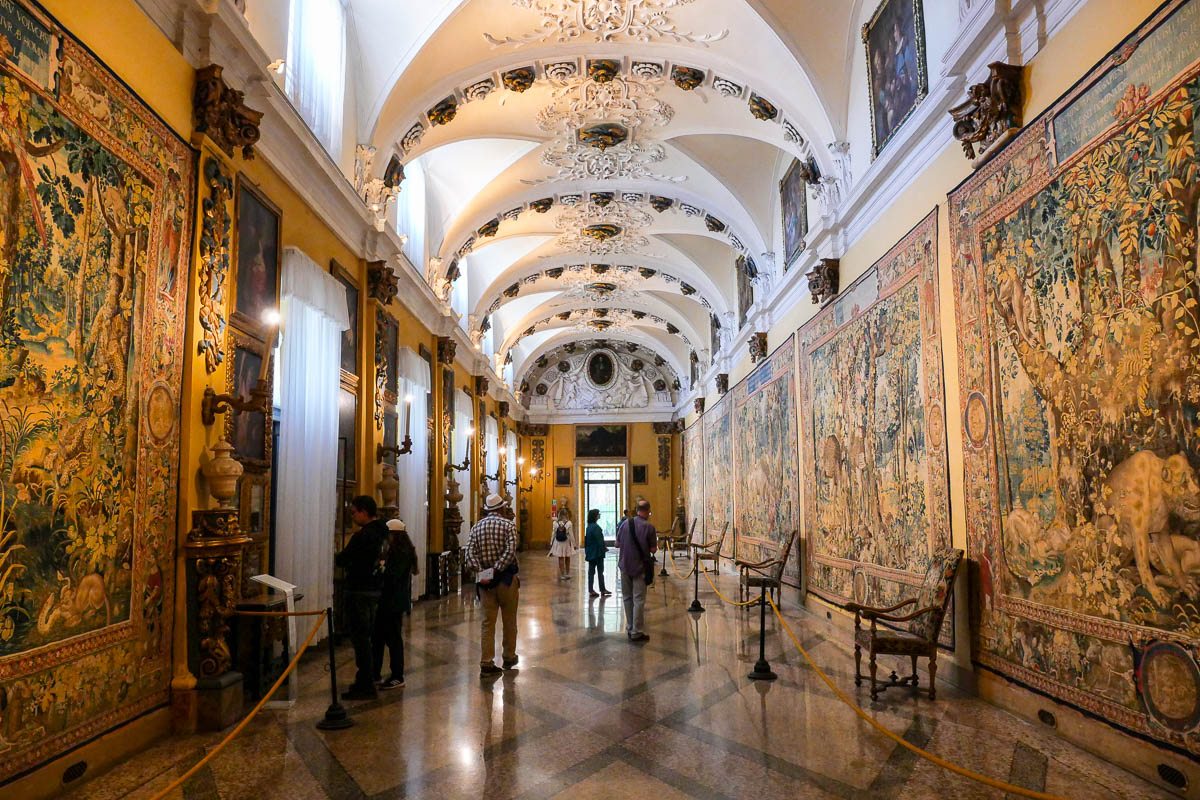
The palace of Isola Bella is far more impressive than that of Isola Madre. You discover sumptuous rooms decorated with paintings and tapestries (ballroom, throne room, music room, etc.). The route then passes through six grottoes adorned with pebbles, tuff, stucco, and marble. Located on the ground floor, they provided cool air in summer.
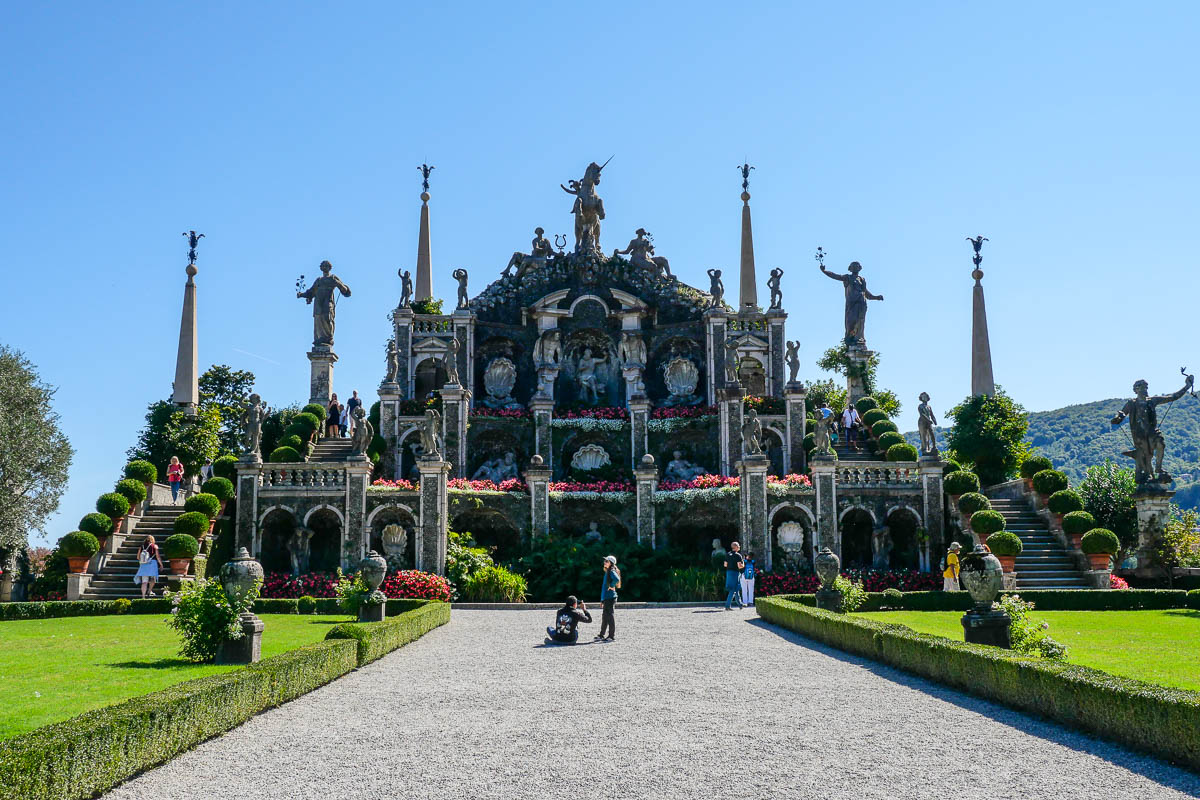
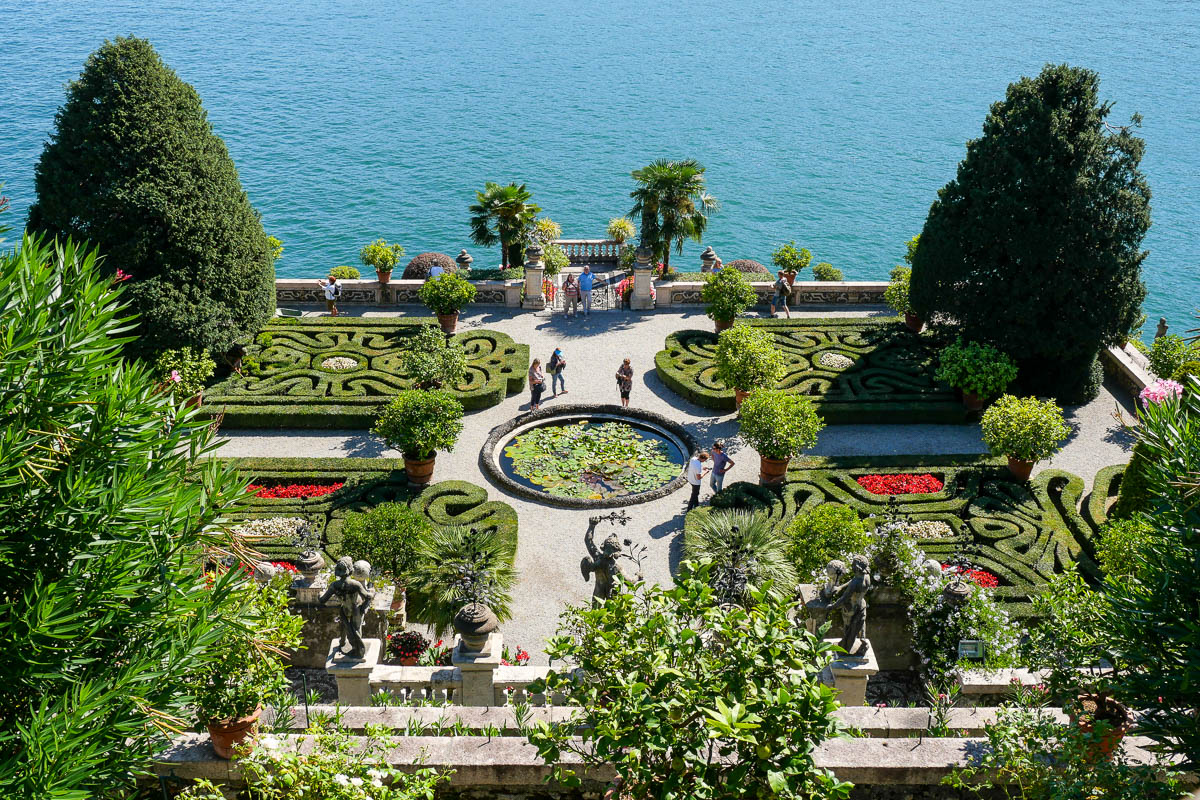
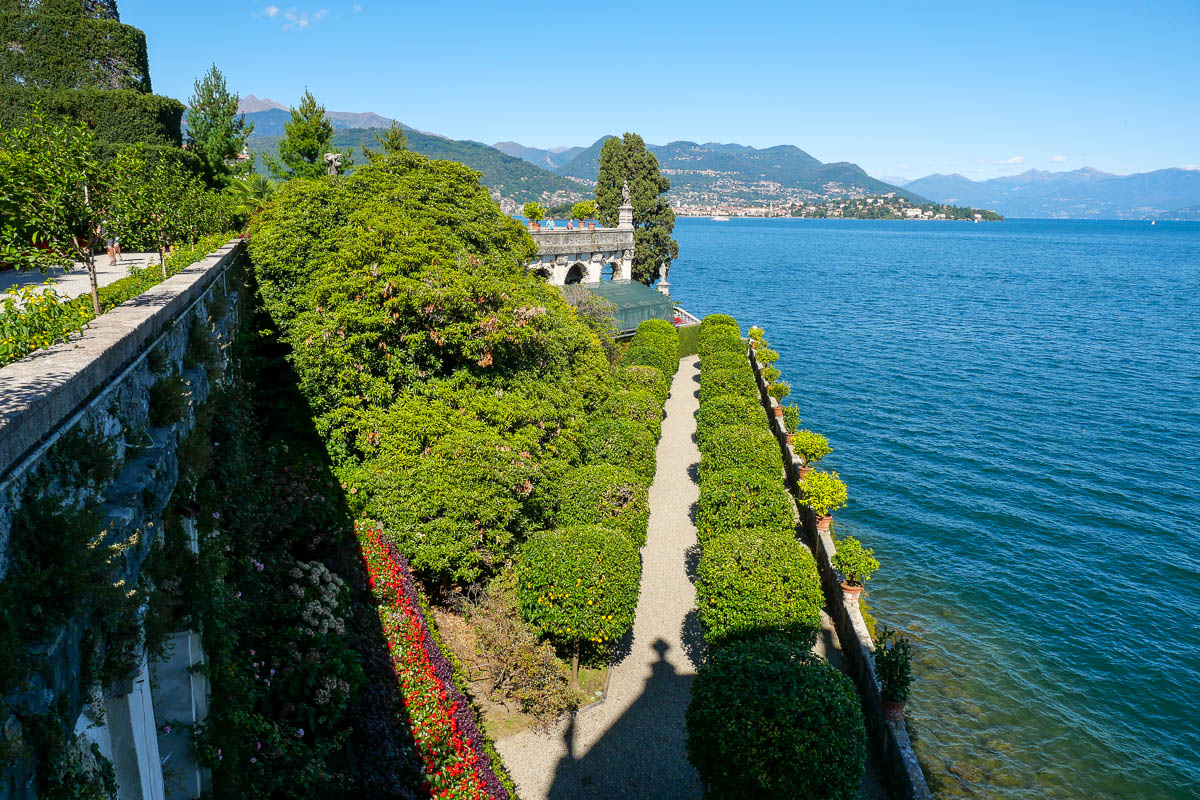
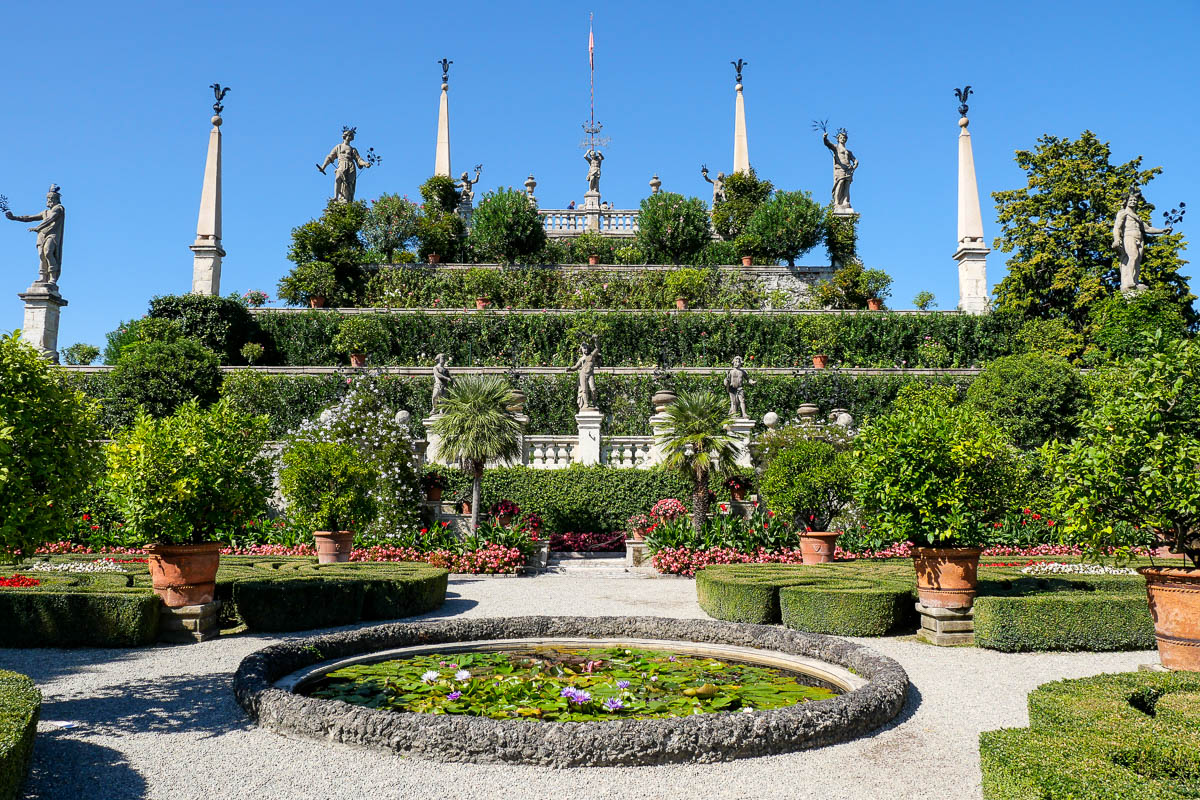
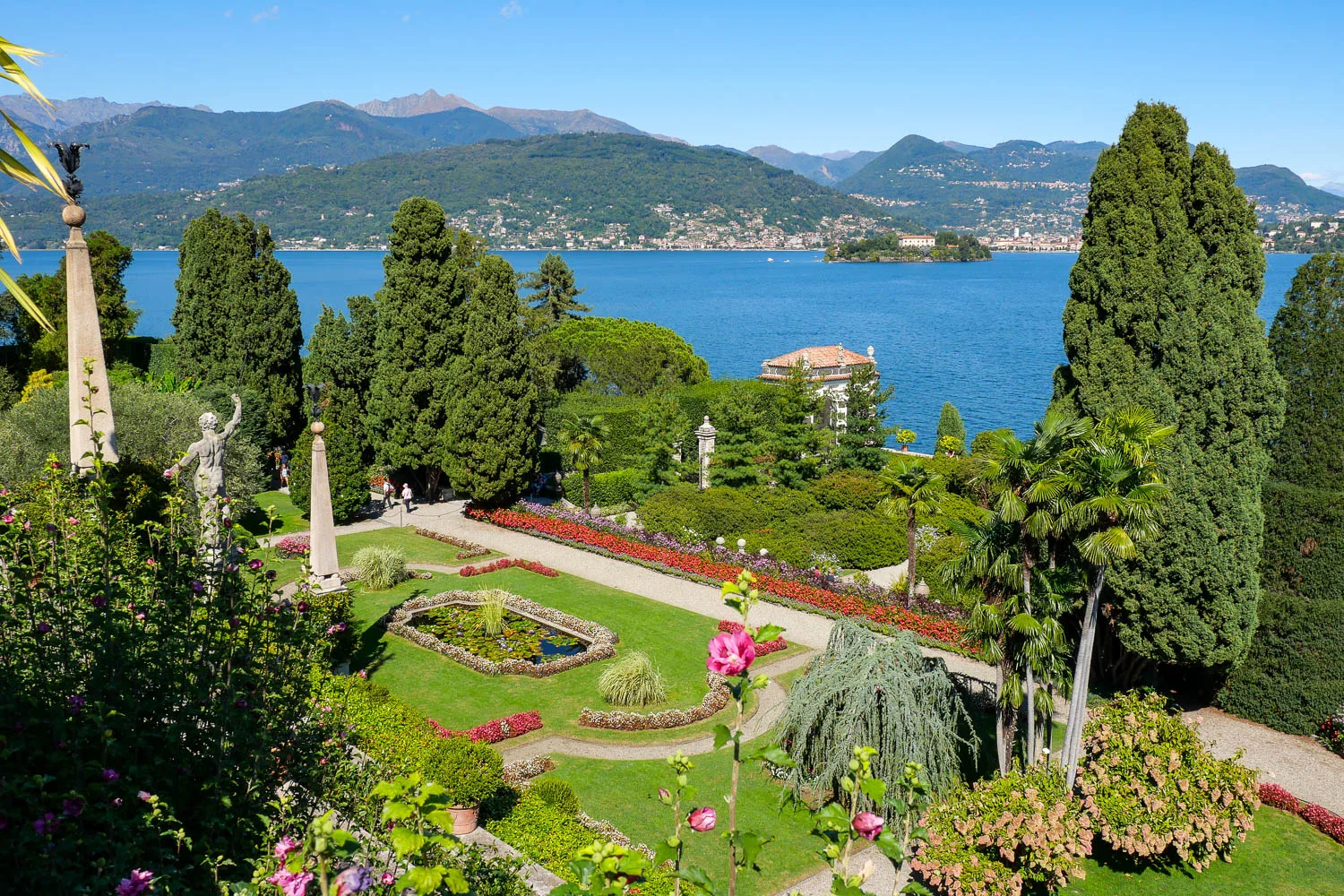
You then exit into the Baroque gardens. They are less diverse botanically than those of Isola Madre, but everything here is focused on decorative harmony. The gardens rise over ten terraces forming a pyramid, with a theater at its center. Obelisks, statues, and fountains blend into the vegetation, where white peacocks roam freely.
The boat takes only a few minutes to travel from Isola dei Pescatori to Isola Bella. We arrived around 1 p.m. The shuttle back to Stresa departs at 2 p.m. and then every hour, with the last at 5 p.m. Allow about 2 hours to visit Isola Bella. We took the 3 p.m. boat back to Stresa, concluding our visit to the Borromean Islands.

Santa Caterina del Sasso
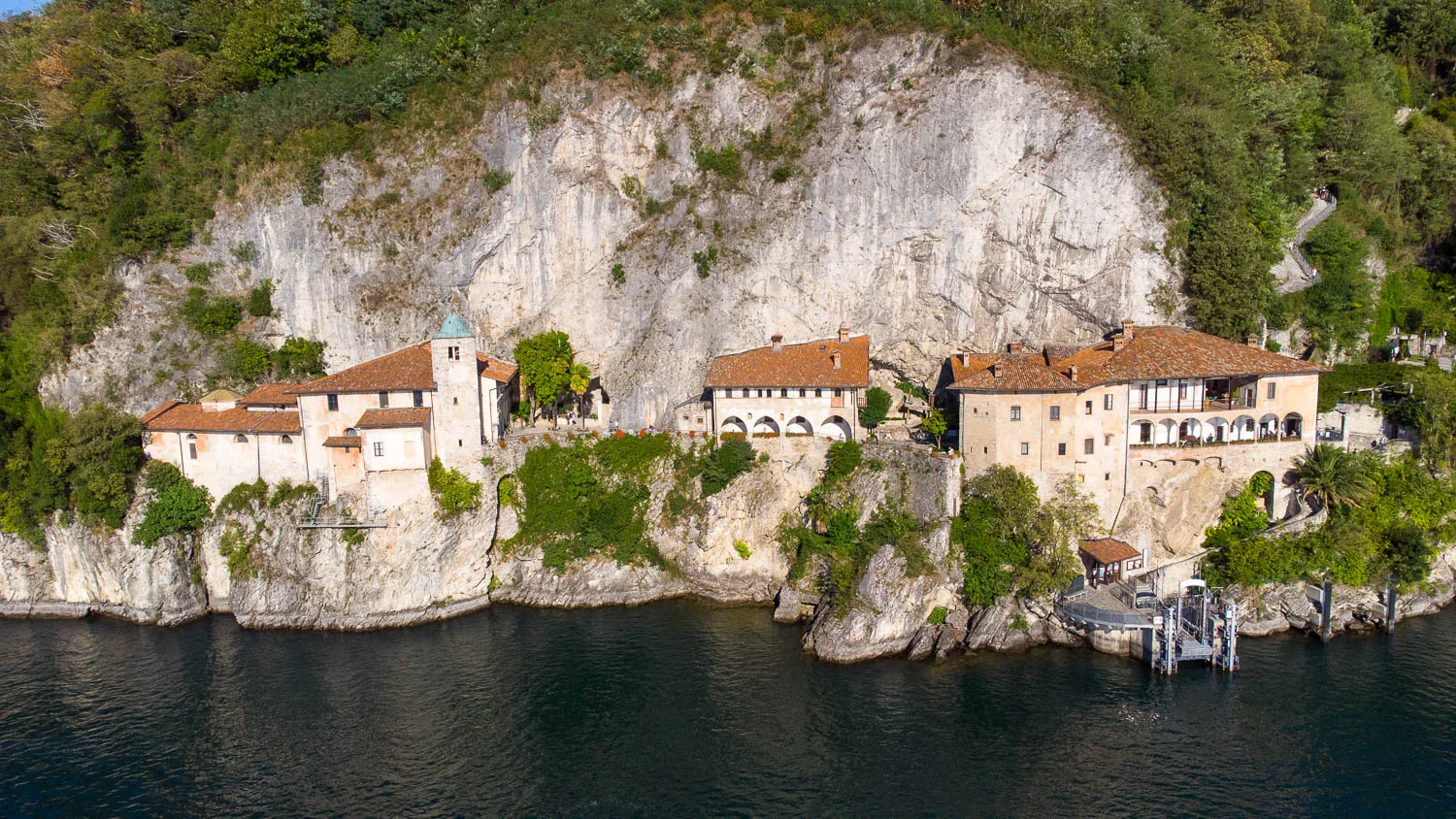
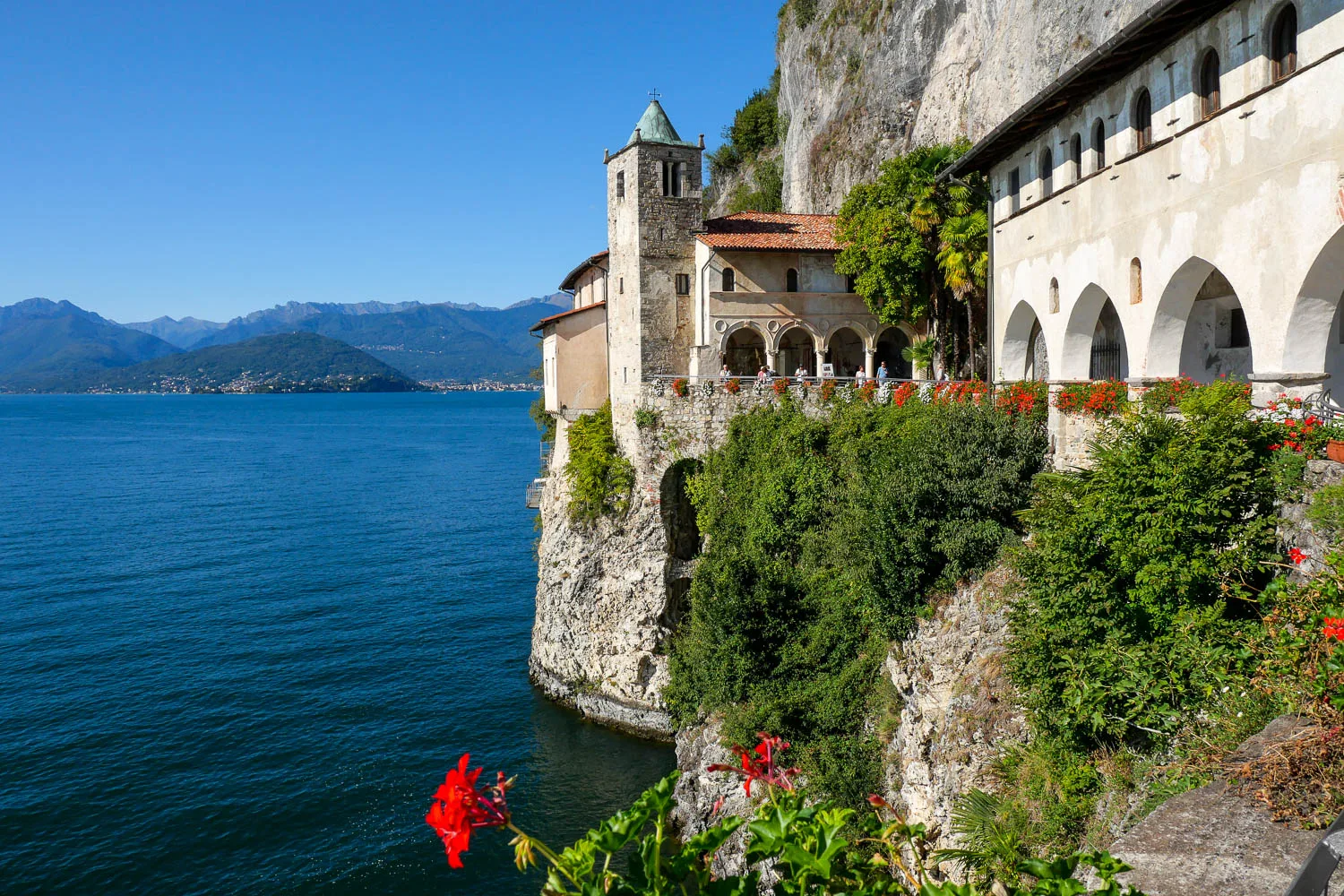
This monastery clings to a cliff on the eastern shore of Lake Maggiore. The easiest way to reach it is by boat, as the detour by road from Stresa takes nearly an hour. Unless you are also visiting the Rocca di Angera, it is best to take the ferry. On this side of the lake, these are the only two sites worth seeing.
The round-trip boat fare between Stresa and Santa Caterina del Sasso is €6.80 (€3.40 for children and €5.60 for seniors). The ferry departs from the public transport company building (Navigazione Lago Maggiore). Check schedules on the official website or on site, as there are only 7 to 9 boats per day, and sometimes the wait to return can be up to two hours (as happened to us). Since the hermitage can be visited in 20 to 30 minutes, it gave us time for a quiet retreat 🙂
If you wish to reach the hermitage by car, there is a free parking lot at the top of the cliff. You must then descend 268 steps to reach the monastery. Recently, an elevator was installed; the fare is €1 each way (free for people with reduced mobility).
Monastery admission costs €5 per adult (€3 for those over 65 and free for under 18s). An audio guide can be rented for €3.
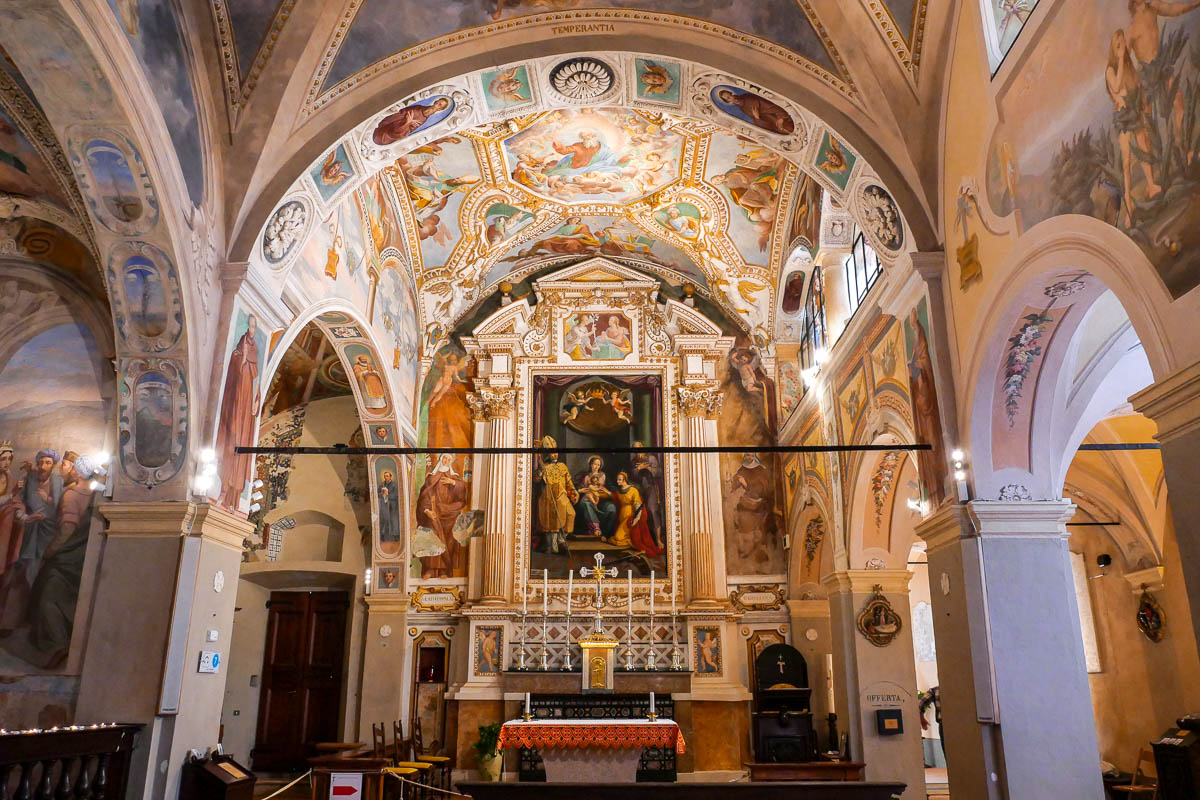
The visit begins in the chapter house, formerly the monastery’s refectory. This is the oldest part of the building, dating back to the 14th century. You can see layered frescoes from different periods, the oldest on the left (armored soldiers). You then pass into the courtyard, where there is a large manually operated press once used to crush grapes and make olive oil.
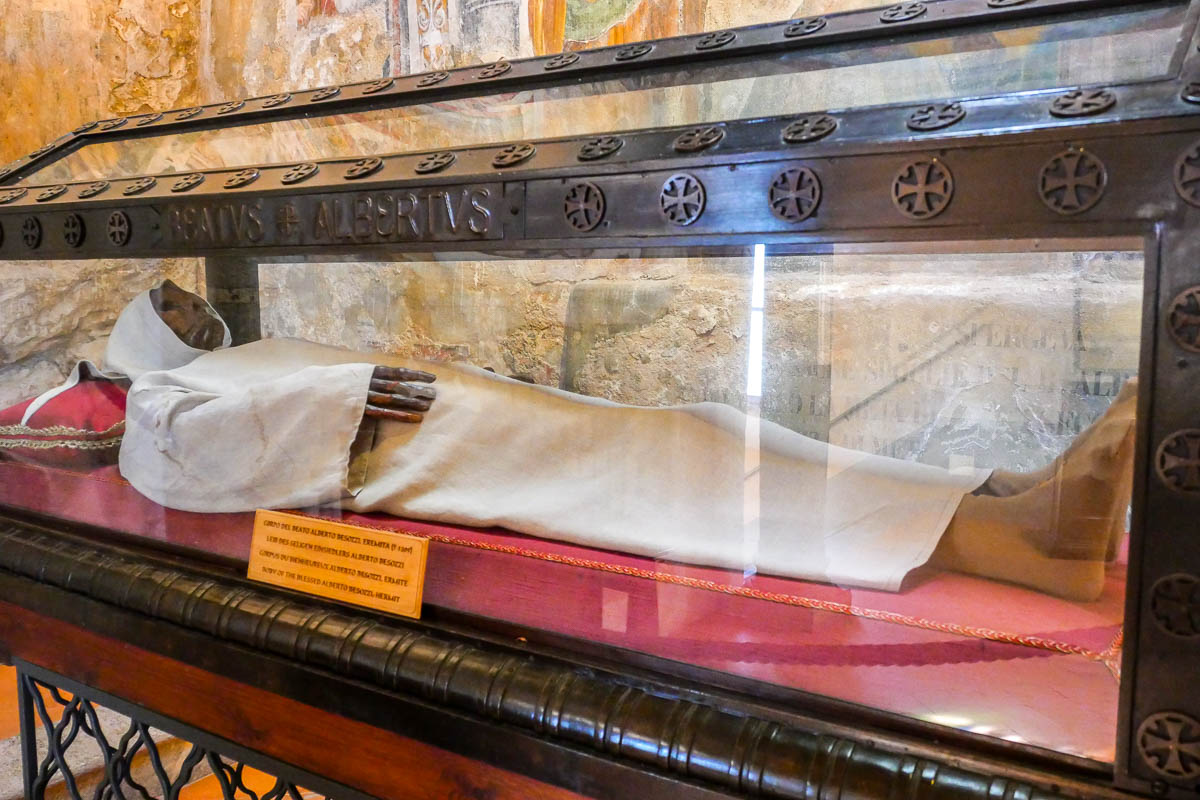
You then enter the church, covered with frescoes dating from the 14th to the 19th century. This is where the body of Blessed Alberto Besozzi of Arolo rests, founder of the hermitage in 1170, who died on September 3, 1205. His mummified body is preserved in a glass sarcophagus. At the back of the church is a chapel he built in 1195.


Verbania
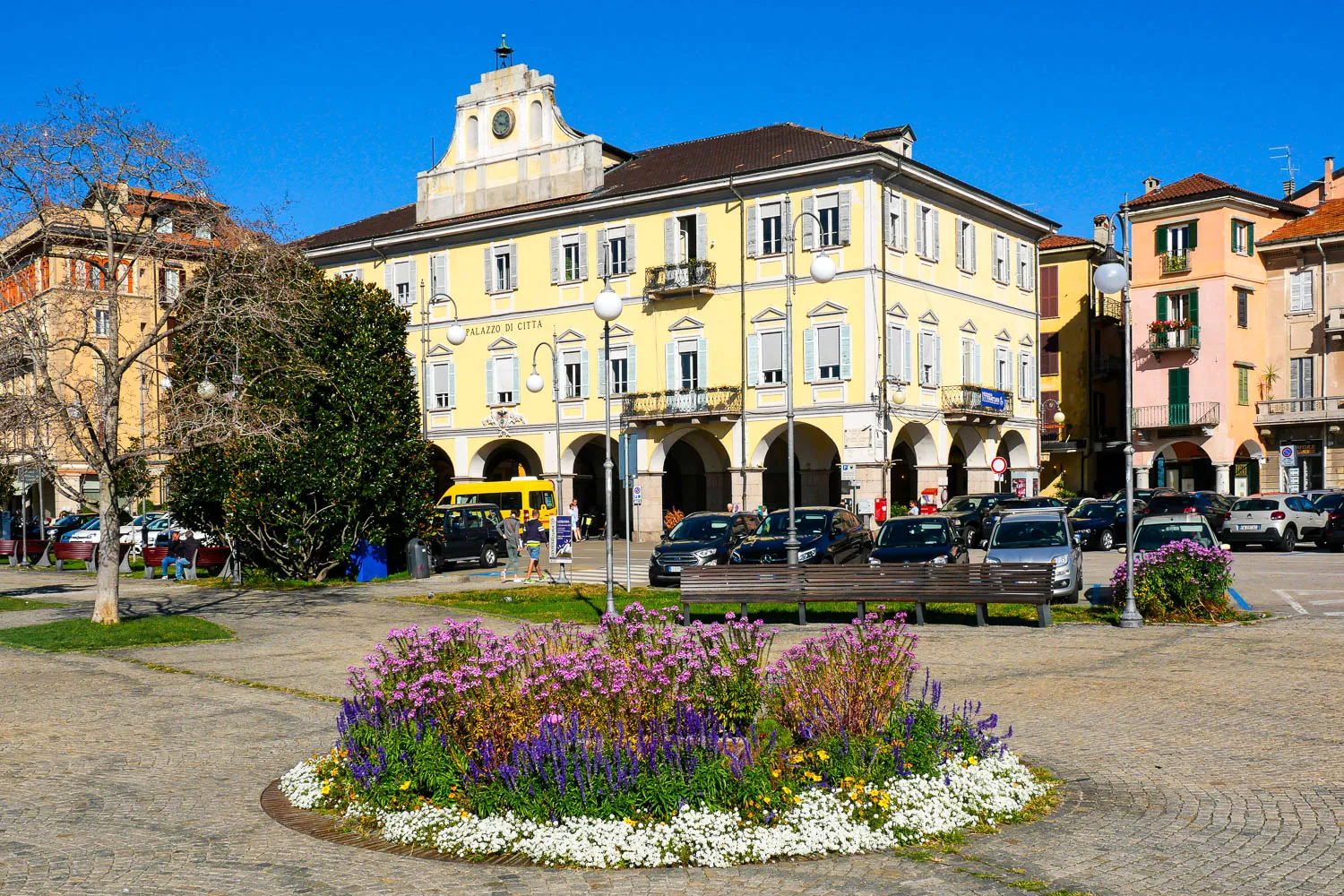
The town of Verbania, highly popular with the nobility and bourgeoisie in the early 20th century, saw the construction of many beautiful residences. It is the largest city in Lake Maggiore, with 31,000 inhabitants. It brings together the Pallanza district, which represents the historic center, and Intra, the more modern area.
Verbania is best known for Villa Taranto and its magnificent garden, one of the most important in the world with over 20,000 plant species. As we had already visited the two gardens of the Borromean Islands, we skipped this one. Otherwise, you can stroll along the lakeside promenade or through the medieval streets of the old town. We passed through Verbania fairly quickly, preferring to head north to Cannobio.
Cannobio
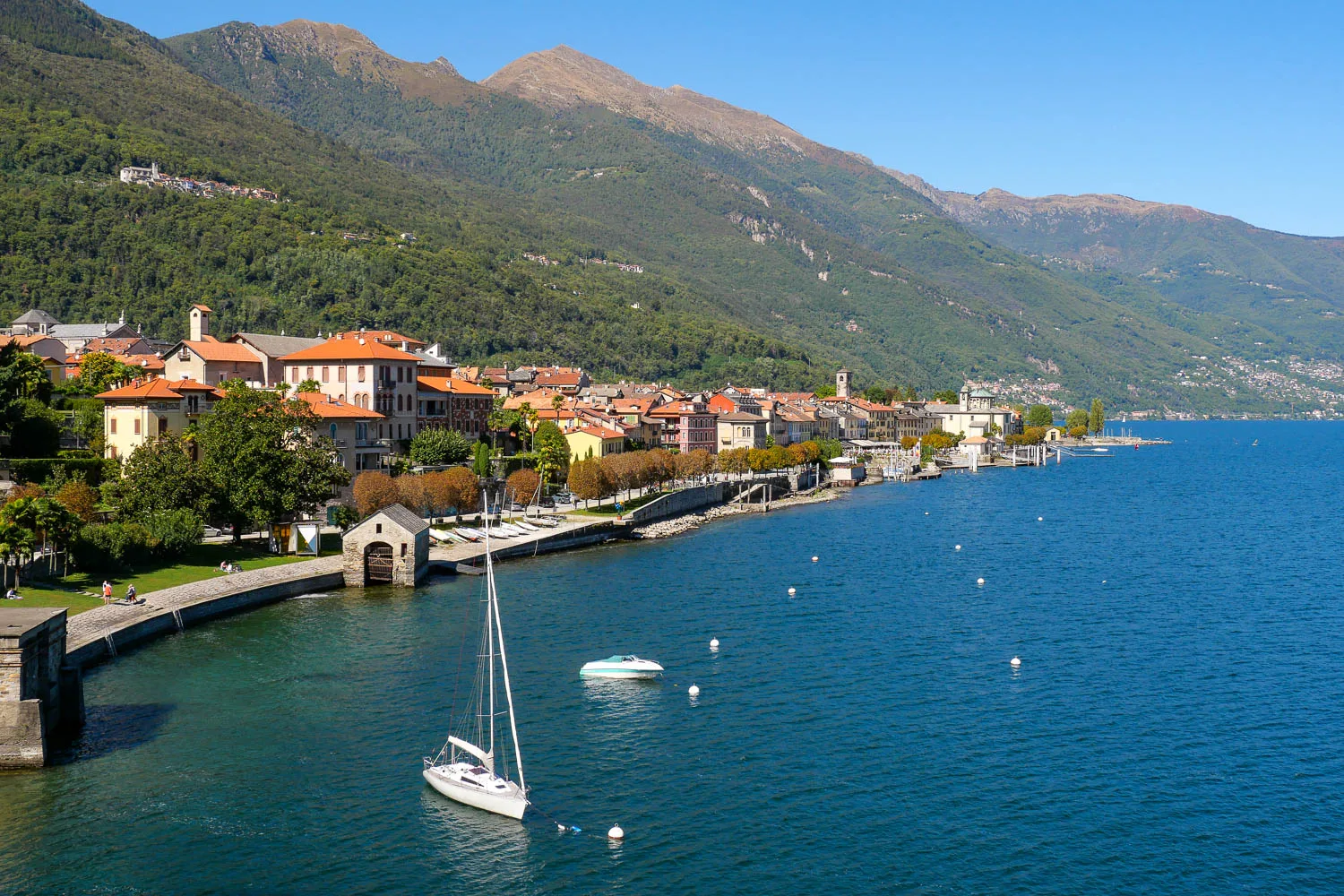
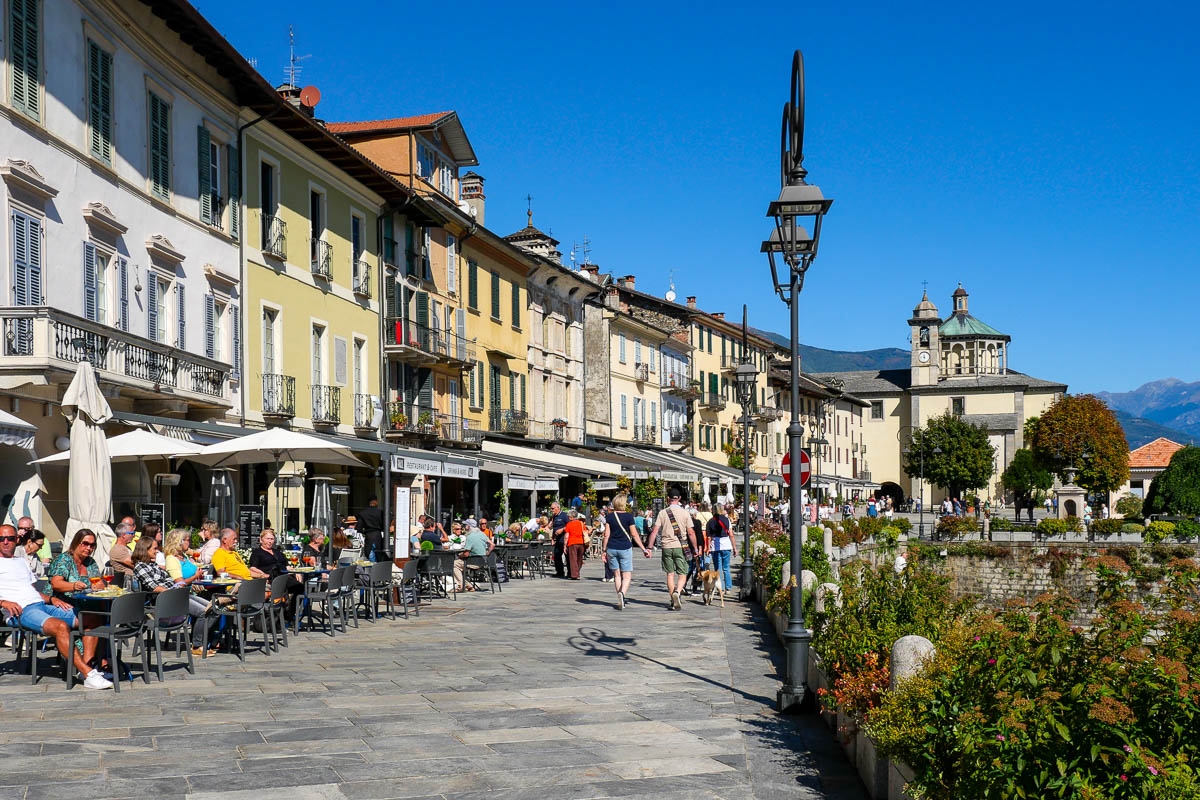
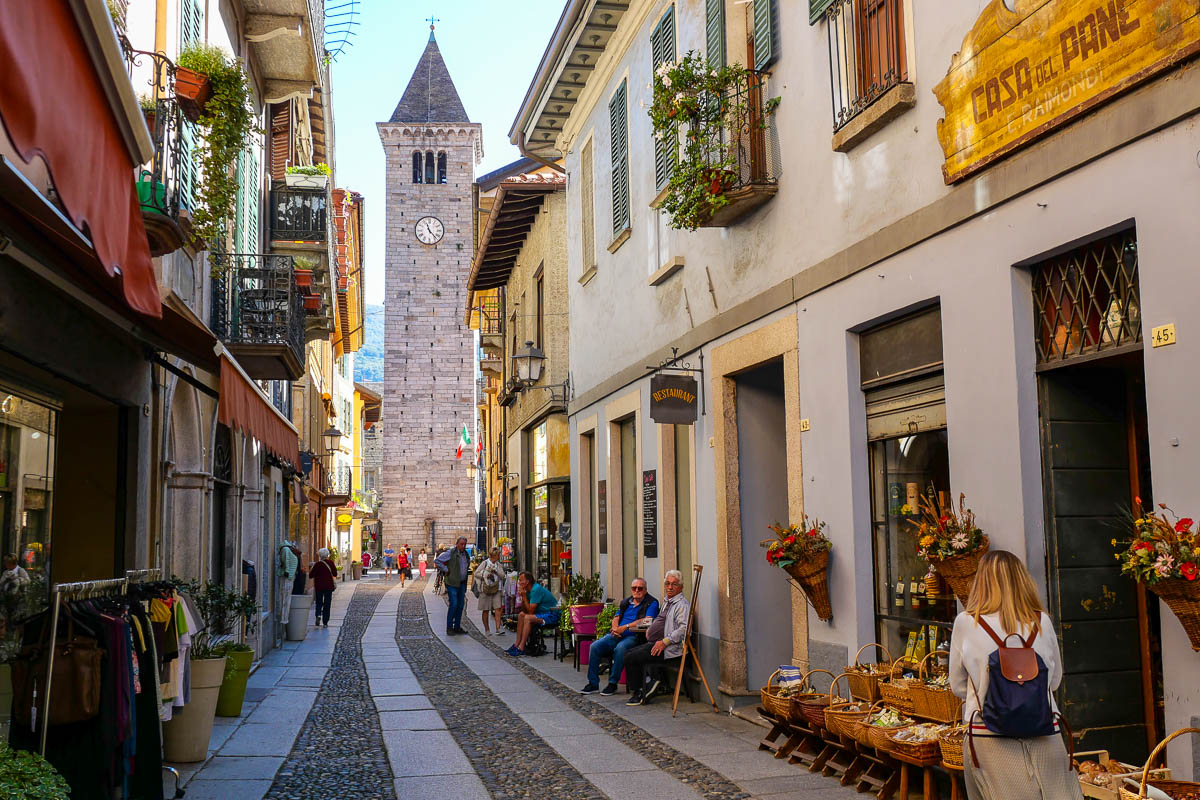
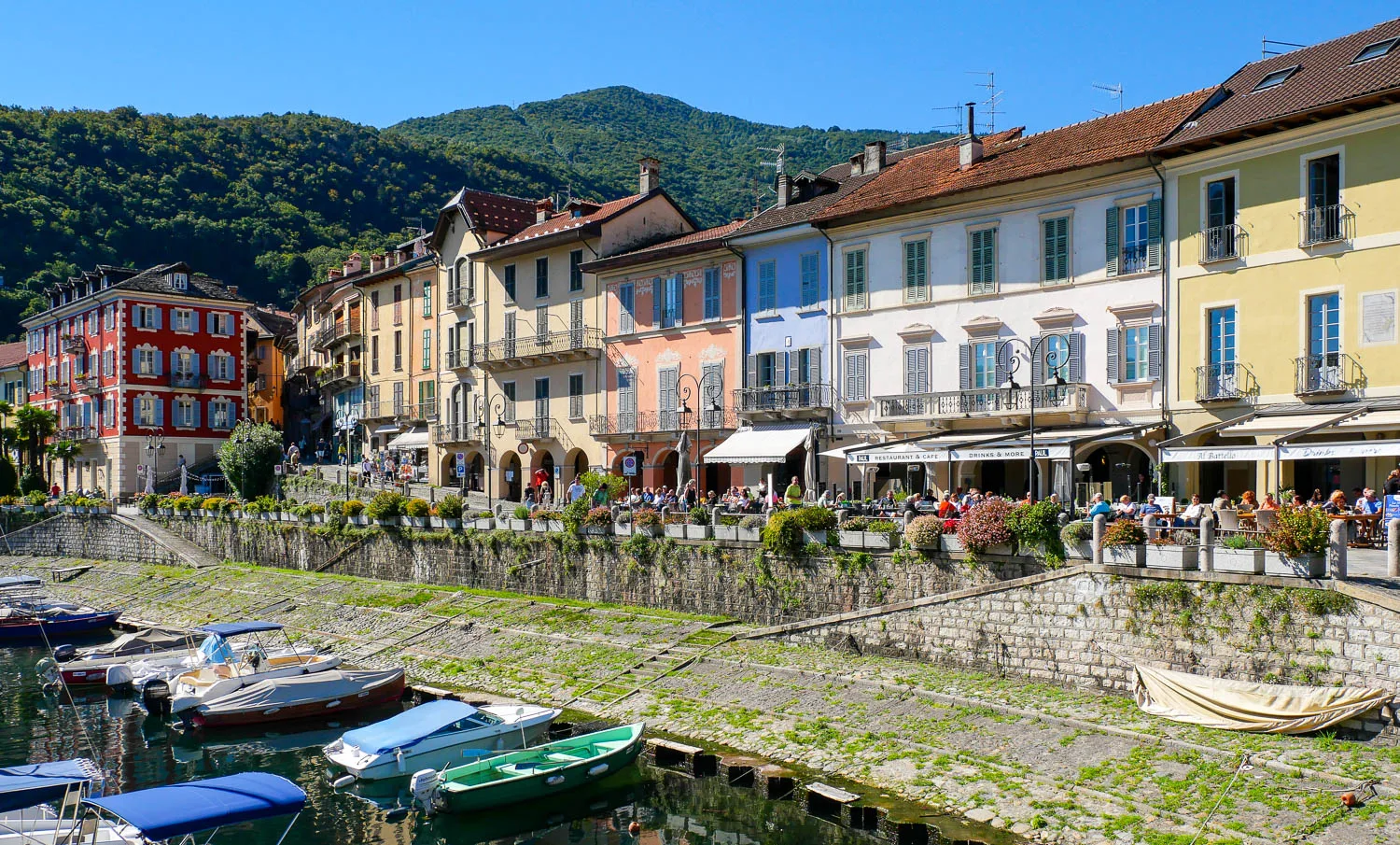
This is our favorite village and one of the best things to do in Lake Maggiore. Cannobio is located on the western shore, 5 km from the Swiss border—the last town in Northern Italy before crossing into Switzerland. The road leading there follows the lakeshore, offering lovely views. The historic center of Cannobio is divided by the main road. On the western side, there is little to see except the Campanile di San Vittore, a Romanesque bell tower built in the 12th century. To discover the true beauty of the village, you must wander down the sloping streets toward the lake.
Cannobio, whose history dates back to Roman times, prospered from the Middle Ages until the 19th century. From this period remain many palaces visible in the medieval streets. The old arcaded houses along the lakefront (Lungolago di Cannobio) now host restaurants. It is a very popular destination for Italians and Swiss visitors, so expect crowds in high season. Fortunately, during our September stay, it was not too busy. The lakeside walk from the port heading north, with mountain views, is superb.
We parked at this free parking lot located 500 meters from the historic center.
Mottarone
This summit, rising to 1,491 meters, offers panoramic views over the entire Lake Maggiore. Mount Mottarone was once accessible by cable car from Stresa, but since the tragic accident on May 23, 2021, which claimed 14 lives after a cable snapped, the cable car has been closed.
It is still possible to reach Mount Mottarone by car. The summit is 20 km from Stresa (about 40 minutes). Access is free if coming from Lake Orta, but from Stresa there is a €10 toll—even if you descend via the Stresa road. More adventurous hikers can attempt the ascent on foot, with 1,300 meters of elevation gain over 10 km. The region offers many hiking routes. Bring warm clothing, as it is much cooler at the top than by the lake.
Where to stay at Lake Maggiore ?
As mentioned earlier in this travel guide, the most convenient town for visiting the Borromean Islands and surrounding areas is Stresa. However, prices are quite high in this resort town. Budget travelers may prefer to stay in Baveno, farther north, where accommodations are cheaper. Baveno is served by the public ferry to the Borromean Islands (though there are no private boats). Verbania offers accommodations at higher prices—at that point, it’s just as well to stay directly in Stresa. As for Cannobio, the village is so charming that it invites you to spend at least one night, especially if you continue your road trip toward Switzerland.
Needless to say, the entire region is very touristy, and you should book well in advance to get the best rates. If possible, avoid summer and weekends (Milanese visitors love Lake Maggiore) to benefit from more attractive prices.
Where to stay in Stresa ?
- 76 € : Luminoso appartamento in Villa a Stresa, this accomodation is one of the cheapest near the center. The price is for 3 people, ideal for couples with one child. Free parking.
- 92 € : Hotel Elena, located in the heart of the historic center, offering excellent value for money. Rooms from single to quadruple, breakfast included. Beach 200 meters away.
- 115 € : Hotel Fiorentino, 2-star hotel very well located in the historic center of Stresa. Option for rooms with balcony. Breakfast included.
- 185 € : Hotel Regina Palace, a 4-star hotel in a magnificent Art Nouveau building with refined interiors and a large garden with swimming pool. Some rooms have lake views. Free parking and breakfast included.
- 260 € : Grand Hotel Des Iles Borromees, a legendary luxury hotel with superb period décor (unless you dislike Art Nouveau). We went inside to visit, it’s truly magnificent.
Where to stay in Baveno ?
- 63 € : CASA ALE, a rustic apartment ideal for budget travelers. Sleeps 2 to 4 people and includes a fully equipped kitchen. The ferry dock is within walking distance.
- 78 € : Castello Ripa Baveno, enjoy a unique night in a real castle. This modern 60 m² apartment with a view has all modern amenities. Free parking.
- 87 € : Hotel Azalea, 3-star hotel with double or quadruple rooms, some with balcony and lake views. Located 100 meters from the ferry port. Free parking and breakfast included.
Where to stay in Cannobio ?
- 101 € : B&B 21, located in the old town with mountain views. Double rooms with breakfast included. Five minutes from the lakeside promenade. Free parking.
- 106 € : Azalea Appartamenti, modern apartment with terrace and garden view, fully equipped kitchen. Free parking.
- 173 € : Hotel Casa Arizzoli, high-quality 3-star hotel ideally located in the old town, 200 meters from Lake Maggiore. Double or triple rooms. Free parking, breakfast optional.
Travel guide and tips for visiting Lake Maggiore
Best time to visit Lake Maggiore
Lake Maggiore can be visited year-round thanks to its mild, sunny climate—even in winter. However, between November and April, the palaces and gardens of the Borromean Islands are closed. The best season runs from spring to autumn, avoiding July and August if possible, when many visitors come to the Italian lakes. In spring, you’ll enjoy blooming flowers, and in late autumn, the orange hues of the vegetation are stunning. Try to avoid sunny weekends, as many Milanese come to relax at Lake Maggiore.
We visited Lake Maggiore and the Borromean Islands at the end of September, and as you can see from the photos, the weather was exceptional. The gardens were still in bloom—an excellent time to visit the Italian lakes.
How to get to Lake Maggiore ?
If you are not on a Northern Italy road trip visiting Italian lakes, the easiest way to reach Lake Maggiore and the Borromean Islands is via Milan.
Milan Malpensa Airport is only 50 km (about 50 minutes by car) from Stresa. To find the cheapest flights, I recommend using Skyscanner.
Once in Lombardy’s capital, you will need a vehicle to get around the different villages. To find the best prices, I suggest using this car rental comparison website, which often offers much better rates than international agencies.
Finally, if you already have accommodation in Milan and want to visit Lake Maggiore as a day trip, you can take the train from Milan Centrale station. The route between Milan and Stresa is direct and takes less than one hour on the fastest trains. Once in Stresa, you can easily visit the Borromean Islands by boat.
How to get around by boat ?
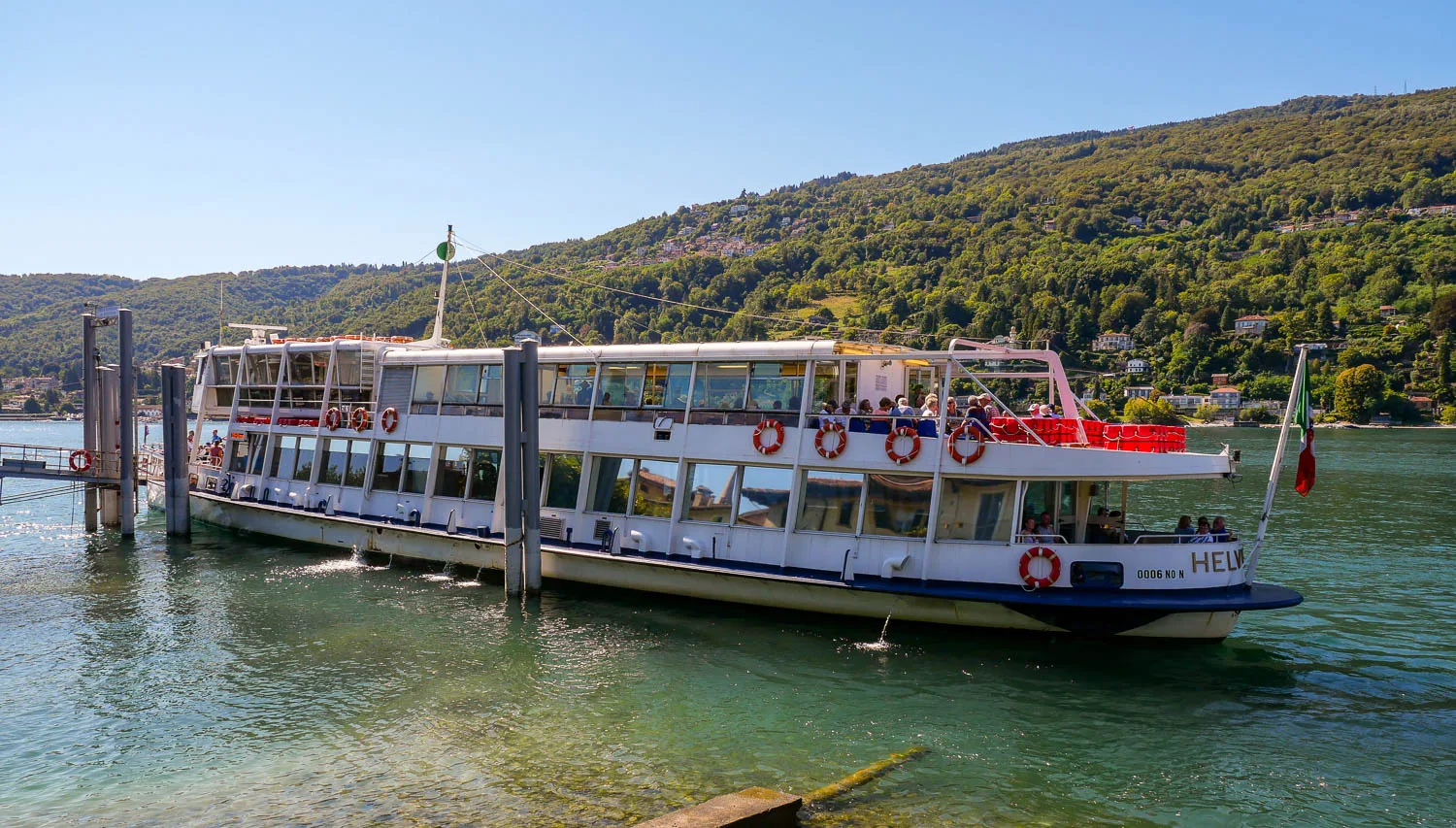
All towns and villages along the lake have docks served by the public ferry line. This is very convenient if you looking what to do in Lake Maggiore without a car. Prices depend on distance ; schedules and information are available on the official website. Tickets are purchased directly at the docks, no reservation required.
There is also a car ferry that allows you to cross the lake at its center without driving all the way around (also accessible to bicycles). The car ferry operates between Verbania (Intra) and Laveno. It runs from 5 a.m. to 11 p.m. from Verbania and from 5:30 a.m. to 11:30 p.m. from Laveno. The crossing takes 20 minutes and costs €9.80 for a car with driver up to 4.5 meters long (€3.40 for pedestrians, €5 for bicycles, and €7.80 for motorcycles).
How many days in Lake Maggiore ?
As one of the largest Italian lakes, you could easily stay a week if you enjoy taking your time, relaxing on beaches, visiting gardens, or sipping cappuccinos on terraces. However, if you focus on the must-see attractions covered in this travel guide, two days are enough to visit Lake Maggiore and the Borromean Islands. Allow at least 5 hours to see the three Borromean Islands, and more if you enjoy wandering.
This travel guide for what to do in Lake Maggiore and the Borromean Islands comes to an end. If you have questions about planning your trip, feel free to ask them in the blog comments. You can also like and share this article on social media using the buttons below.
1 comment
Fantastic guide, which I have bookmarked ahead of our 7 day trip to Maggiore in October.